

Traction Therapy
Mechanical traction equipment for outpatient physical therapy clinics, chiropractic offices and hospital rehab departments, with the surface pairing, accessory and cleaning checks to settle before ordering.
Home › Rehabilitation Equipment › Fitness & Rehab Merchandise › Traction Therapy
Traction Therapy Equipment for Rehabilitation Clinics
Traction therapy equipment applies a controlled mechanical pull through a harness or halter, operated by a treating clinician within a documented plan of care. MSEC lists the TX Traction Unit System in this category, inside the wider Fitness & Rehab Merchandise line. Buyers are outpatient physical therapy clinics, chiropractic offices, hospital rehab departments and multidisciplinary spine programs specifying a unit alongside a treatment surface.
Shop Traction Therapy
Everything MSEC carries in Traction Therapy, shown in full. Specifications are supplied by the manufacturer. For current pricing, lead time or a quote on a purchase order, call toll free 877-706-4480.
-
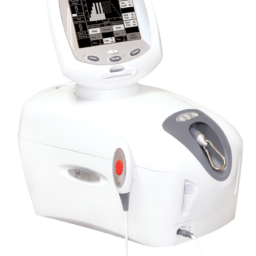 Quick ViewSelect options
TX Traction Unit System
Item# 9574CHT$4,478.64Original price was: $4,478.64.$3,710.87Current price is: $3,710.87.

Choosing Between Models?
The Fitness & Rehab Merchandise Buying Guide walks through the decisions behind this purchase, with a comparison method, the mistakes that cause returns and a pre-order checklist.
What Is the TX Traction Unit System and What Ships With It?
The TX Traction Unit System is the traction unit listed in this category, and the word system is the part worth reading, because a traction purchase is a unit plus the patient contact components plus the surface it works on. What is included in the system as supplied, and what is a separate line item, is stated by the manufacturer and it is the first thing to confirm.
Ask us for the current specification sheet and work down it: the unit itself and its controls, the electrical supply it requires, which harnesses, halters, belts and straps are supplied with it, whether a stand, cart or mounting arrangement is included, and which treatment surfaces the manufacturer intends it to be used with. MSEC does not publish figures or inclusions it cannot source from the manufacturer, and nothing here should be read as a statement about any device’s regulatory status.
Tell us which of those items your clinic already owns. A room that already has a suitable treatment surface is buying a different order from one starting with an empty room. Call 877-706-4480 toll free, 713-706-4480 locally, or email inquiry@msecompany.net and we will confirm inclusions, availability and lead time before you write the purchase order.
What Does a Traction Unit Need Around It to Be Usable?
A traction unit needs a treatment surface, a power receptacle, floor space for a clinician to work on both sides, and somewhere for the accessories to live between patients. Treat it as a treatment station rather than a device on a shelf and the room planning becomes obvious.
- Treatment surface. A traction unit and the surface it is used with are normally specified together. Confirm with the manufacturer which surfaces the unit is intended for before assuming an existing table will serve.
- Electrical. Confirm the supply the manufacturer states and have facilities verify a receptacle is available where the unit will sit, on a circuit that is not already loaded.
- Clinician access. Leave working room along the length of the surface and at the head end, since setup involves fitting a harness or halter with the patient in position.
- Accessory storage. Harnesses, halters, belts and straps need a labelled home. Components that live in a drawer get mixed between sizes and lost.
- Documentation. Keep the manufacturer manual in the room, not in a facilities office.
Which Components Are Patient Contact Consumables?
The harnesses, halters, belts and straps are the consumable side of a traction purchase, and they carry their own reorder cycle regardless of how long the unit lasts. Buyers who budget for the unit alone are surprised twice: first by the size of the initial accessory order, then by the replacement rate.
These components contact the patient at every session, which means they are cleaned at every session, and repeated cleaning is what ends their service life rather than any single failure. Confirm the manufacturer’s stated cleaning method for each component and compare it against the agent and contact time your infection control protocol requires, because a component that cannot take your protocol is a component you will be replacing constantly.
Confirm which sizes are available and which your clinicians expect to keep on hand, since a clinic that holds only one size will find sessions it cannot run. Ask which components can be ordered individually rather than only as part of a kit, and get those part numbers on the same purchase order as the unit. Inspect stitching, buckles, fastenings and any padded surface on a fixed schedule, and retire a component when it shows wear rather than when it fails.
How Do Cervical and Lumbar Setups Differ in What You Have to Buy?
They differ in the patient contact components and in how the unit is positioned relative to the treatment surface, not in the unit itself. Clinicians use traction in both cervical and lumbar programs, and a clinic that runs both needs the components for both before it can schedule either.
A cervical setup uses a head halter arrangement and generally works at the head end of the surface. A lumbar setup uses a belt or harness arrangement around the pelvis and thorax and works along the length of it. The practical effect on a purchase order is that the accessory list roughly doubles when a clinic covers both, and the storage and cleaning routine has to cover two families of components rather than one.
Confirm with the manufacturer which arrangements the TX Traction Unit System supports and which components each one requires before ordering. Then tell your clinicians exactly what has been ordered, because a schedule built around a setup the clinic cannot equip is a wasted appointment slot. Which setup is appropriate for any patient, and every parameter used, is a decision for the treating clinician and outside what MSEC advises on.
What Should You Confirm on the Specification Sheet Before Ordering a Traction Unit?
Confirm the electrical supply, the intended treatment surface, the included and optional accessories, the stated cleaning method for every patient contact component, the serviceable parts and the operator documentation before the purchase order is issued. A traction unit is specified more like a modality device than like gym merchandise, so the pre order check is closer to the one you would run on an ultrasound or stimulator purchase.
- Electrical. The supply the manufacturer states, and a verified receptacle in the room where the unit will live.
- Surface pairing. Which treatment surfaces the unit is intended for, confirmed with the manufacturer rather than assumed from a photograph.
- Accessories. Which harnesses, halters, belts and straps are included, which are optional, which sizes exist and what each part number is.
- Cleaning compatibility. The stated cleaning method for the unit housing and for every patient contact component, checked against your protocol.
- Serviceable parts. What can be replaced individually, and what the manufacturer’s warranty terms actually state.
- Delivery and documentation. How the order ships, who receives it, and confirmation that the manual reaches the clinicians who will operate the unit.
How Is a Traction Unit Kept in Service Between Sessions?
Cleaning to the manufacturer’s stated method, inspecting the patient contact components and keeping cables and controls undamaged are the recurring jobs. The unit is the durable part of this purchase. The components attached to it are not, and a clinic that only inspects when something fails loses appointment slots.
Build the inspection into the room routine rather than a quarterly checklist. Look at harness and halter stitching, buckles and fastenings each time they are handled, since that is when damage is visible. Check any cable or cord for crushing and for separation at the strain relief, and route cables so a chair or cart cannot roll across them. Wipe the housing and controls with an agent compatible with the manufacturer’s stated method, keeping liquid away from control surfaces.
Record the model and serial number when the unit is commissioned and keep it with the manual. That is the first thing we will ask for when you call about a replacement component. Ask us for the serviceable part list at the time of purchase and hold the components that see the most handling, rather than ordering them after a session has already been cancelled.
When Does a Clinic Need a Different Category Instead?
When the requirement is a treatment surface, a stretching setup or a resistance arrangement rather than mechanical traction, the answer sits in a sibling category in the same line. Traction is a specific modality with specific equipment, and it is often ordered at the same time as items that are not traction at all.
- Mat Tables & Platform Tables. The treatment surfaces a clinic specifies alongside or instead of a traction setup, including powered and fixed height options.
- Stretching Equipment. Where the program calls for a stretching arrangement rather than a mechanical pull through a harness.
- Exercise Pulleys. Wall or frame mounted pulley arrangements used in graded upper limb and shoulder programs.
If you are equipping a room rather than replacing one item, the fitness and rehab merchandise buyer guide covers how this line is reordered and what to standardize on, the Fitness & Rehab Merchandise page compares the subcategories, and the wider rehabilitation equipment line holds the modality units, cardio equipment and gait training equipment that share the same clinic.
Frequently Asked Questions
What is the TX Traction Unit System?
It is the traction unit listed in this category, supplied as a system rather than as a single device, which means the unit plus a defined set of patient contact components. Exactly what is included, which accessories are optional and which treatment surfaces it is intended for are stated by the manufacturer. Ask us for the current specification sheet and we will confirm inclusions, availability and lead time.
Does a traction unit come with a treatment table?
Confirm this with the manufacturer before ordering, because a traction unit and the surface it works on are normally specified together and the pairing is not always included in one line item. If you already own a surface, tell us what it is and we will check it against what the manufacturer intends the unit to be used with rather than letting you find out at installation.
Are harnesses and halters included, and can they be ordered separately?
Inclusions differ, so confirm them on the current specification sheet, and ask at the same time which components can be ordered individually and in which sizes. These are patient contact items with their own reorder cycle, so get the part numbers on the same purchase order as the unit. A clinic holding only one size will meet sessions it cannot equip.
How often do traction accessories need replacing?
There is no fixed interval, because service life depends on session volume, how often the component is cleaned and which agent your protocol uses. Treat harnesses, halters and belts as consumables with a replacement budget rather than as permanent parts. Inspect stitching, buckles and fastenings whenever they are handled, and retire a component when wear appears instead of waiting for it to fail mid session.
Who decides the traction parameters and whether traction is used at all?
The treating clinician, in every case, using their own training and the patient in front of them. MSEC supplies equipment. We can send the manufacturer specification, confirm what a system includes, check cleaning compatibility against your protocol, list serviceable parts and quote a unit with its accessories. We do not advise on force, duration, positioning or patient selection, and nothing on this site addresses regulatory status.
Can you source a traction unit or component that is not listed here?
Often, yes. This is a narrow category, and MSEC can source traction equipment and accessories beyond what appears online at a given moment. Send the arrangement you need, the treatment surface it will work with, the component sizes your clinicians use and the quantity to inquiry@msecompany.net, or call 877-706-4480 toll free, and we will tell you what is available and the expected lead time.
Related Categories
Move up to Fitness & Rehab Merchandise, or across to the lines ordered alongside this one.
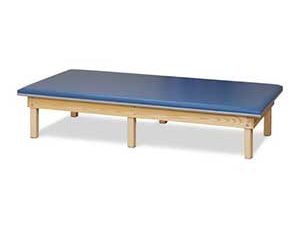
Fitness & Rehab Merchandise
The full Fitness & Rehab Merchandise line.
GSA contract holder • Ships nationwide • From Patient to Doctor & Everyone In Between
Talk to a Medical Equipment Specialist
Toll free 877-706-4480 | Local 713-706-4480 | inquiry@msecompany.net