
Weight Machines
Pressing, pulling and lower limb weight machines for outpatient clinics, hospital rehab departments, skilled nursing facilities and athletic training rooms, with the racks and storage that go alongside them.
Home › Rehabilitation Equipment › Weight Lifting Equipment › Weight Machines
Weight Machines for Therapy Gyms and Rehabilitation Departments
A weight machine is a fixed frame that guides one movement pattern against a set resistance, with the user seated or lying in a supported position. Clinicians in outpatient clinics, hospital rehab departments, skilled nursing facilities and athletic training rooms use machines for progressive resistance work where a guided path and a supported body position matter. MSEC carries pressing, pulling and lower limb stations for therapy gym floors.
Shop Weight Machines
Everything MSEC carries in Weight Machines, shown in full. Specifications are supplied by the manufacturer. For current pricing, lead time or a quote on a purchase order, call toll free 877-706-4480.
-
 Quick ViewSelect options
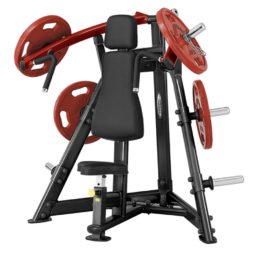
Shoulder Press Machine
Item# PSLPFMI$1,449.26Original price was: $1,449.26.$1,073.53Current price is: $1,073.53. -
 Quick ViewSelect options
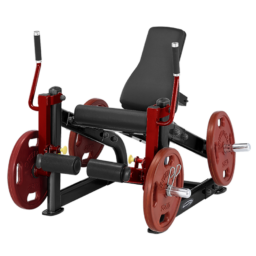
Leg Extension
Item# ELLPFMI$1,449.26Original price was: $1,449.26.$1,073.53Current price is: $1,073.53. -
 Quick ViewSelect options
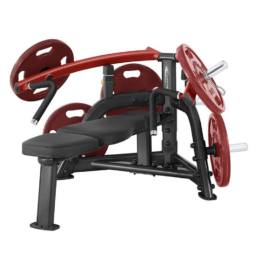
Standard Exercise Bench Press
Item# PBLPFMI$1,449.26Original price was: $1,449.26.$1,073.53Current price is: $1,073.53. -
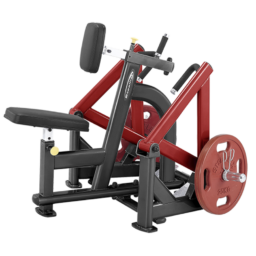 Quick ViewSelect options
Standard Seated Row
Item# RSLPFMI$1,449.26Original price was: $1,449.26.$1,073.53Current price is: $1,073.53. -
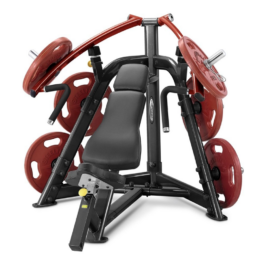 Quick ViewSelect options
Incline Press Machine
Item# PILPFMI$1,578.31Original price was: $1,578.31.$1,169.12Current price is: $1,169.12. -
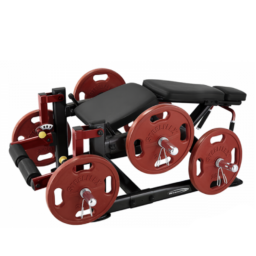 Quick ViewSelect options
Leg Curl Exercise Machine
Item# CLLPFMI$1,449.26Original price was: $1,449.26.$1,073.53Current price is: $1,073.53.


Choosing Between Models?
The Weight Lifting Equipment Buying Guide walks through the decisions behind this purchase, with a comparison method, the mistakes that cause returns and a pre-order checklist.
Which Weight Machines Does MSEC Carry, and What Does Each Station Set Up?
Six stations, covering pressing, pulling and lower limb work. Each one is a separate frame with its own footprint, so a therapy gym is built by choosing stations rather than by buying a single unit.
- Shoulder Press Machine. A seated overhead pressing station with the user’s back supported through the movement.
- Incline Press Machine. A pressing station set at an inclined angle, positioned between a flat press and an overhead press.
- Standard Exercise Bench Press. A flat pressing station, the most familiar frame on any gym floor and often the first one a department buys.
- Standard Seated Row. A seated horizontal pulling station with a chest pad or support to keep the trunk in position.
- Leg Extension. A seated lower limb station with a roller pad at the ankle and a pivot set at the knee.
- Leg Curl Exercise Machine. The complementary lower limb station, working the opposing pattern from a different body position.
A department that buys all six covers the main pressing, pulling and knee patterns on a single floor plan. Most clinics phase the purchase, and the weight lifting equipment buyer guide sets out which stations earn their floor space first.
What Is the Difference Between the Bench Press, Incline Press and Shoulder Press Stations?
Body angle, and that is not a small difference on a therapy floor. The Standard Exercise Bench Press works from a flat position, the Incline Press Machine from an angled position, and the Shoulder Press Machine from a seated upright position with the load moving overhead.
Each angle changes what the user’s trunk and shoulder are doing during the movement, which is exactly why departments that treat shoulders keep more than one of these stations rather than treating them as duplicates. It also changes the footprint. A flat bench station needs clearance at the head end and on both sides, while a seated station occupies a tighter square but needs overhead clearance.
Where a buyer has room for one pressing station, the choice belongs to the clinicians who will use it. Where there is room for two, most therapy gyms take one flat and one seated frame rather than two variations on the same angle.
How Do the Leg Extension, Leg Curl and Seated Row Stations Differ in Setup?
They differ in body position, in the pad that contacts the limb, and in how much adjustment the station needs before each user. The Leg Extension seats the user with a roller pad at the lower leg and the pivot aligned at the knee. The Leg Curl Exercise Machine works the opposing pattern, and it places the user differently for that reason. The Standard Seated Row seats the user upright against a support and moves the load horizontally.
On a shared clinic floor, adjustment is the specification that decides how usable a station really is. Seat position, back pad position, roller pad position and start position all have to be set for each user, and a station that adjusts quickly and locks positively will be used far more than one that takes several minutes to set up between patients.
Ask what is adjustable on each station and how the adjustment locks. That detail rarely appears in a product name and it is the first thing clinicians notice.
Selectorized or Plate Loaded: Which Should You Ask For?
Ask which loading method each station uses before you compare two quotes, because it changes the price, the footprint and the running of the gym. A selectorized station carries its own weight stack and is loaded by moving a pin, which makes changing resistance fast and keeps loose plates off the floor. A plate loaded station is loaded with individual plates, which usually costs less up front but requires plate storage and staff time at every change.
For rehabilitation work, the size of the smallest available increment matters more than the maximum load on the machine. A station that jumps in large steps at the bottom of its range leaves a gap exactly where a therapy caseload spends most of its time, and add on increments are the usual fix.
Confirm the loading method, the increment size and, on plate loaded frames, whether plates and a rack are included or quoted separately. If the gym is going plate loaded, budget for storage at the same time from Weight Racks.
What Should You Confirm on the Specification Sheet Before Ordering a Weight Machine?
Confirm the assembled footprint and the delivery route first, because a machine that cannot reach the room is the most expensive mistake in this category.
- Assembled dimensions and required clearance around the station, not just the frame size.
- Ceiling height, particularly for overhead pressing frames and any station with a vertical weight stack.
- Delivery access: door widths, corridor turns, elevator size, and whether a dock or lift gate is needed.
- Assembly requirement, meaning whether the unit arrives assembled, partly assembled or flat, and who is expected to build it.
- Floor fixing, since some frames are designed to be anchored and that has to be agreed with your facilities team before delivery day.
- Adjustment range and increment size against the caseload the station will serve.
- Serviceable parts: pads, upholstery, cables, pulleys and bushings that can be ordered on their own later.
- Upholstery and cleaning compatibility with the disinfectant your infection control policy already names.
Get the answers in writing before the purchase order. Call 877-706-4480 toll free, 713-706-4480 local, or email inquiry@msecompany.net and we will confirm against the manufacturer specification.
What Keeps a Weight Machine in Service Once It Is Installed?
Routine inspection of the parts that move and the parts the body touches. Cables and pulleys, pads and upholstery, adjustment pins and bushings do the wearing on a weight machine, while the frame itself generally outlasts everything attached to it.
Build the inspection into a schedule rather than waiting for a complaint. Look at cable condition and travel, at pad seams and any split upholstery, at the security of adjustment mechanisms, and at whether the frame still sits level. A split pad is also an infection control problem, not only a comfort one, which is why upholstery tends to be the first item replaced on a busy therapy floor.
Record the model and serial number from each frame when it is installed. Ordering the correct pad or cable later takes one call when you have that number and several when you do not.
When Does a Therapy Gym Need Racks or a Different Line Instead of a Machine?
When the program needs free movement rather than a guided path, or when the requirement is storage rather than a station. A machine fixes the movement path, which is what makes it useful for supported work and what makes it the wrong tool when the plan calls for unguided loading.
- You need free weights, storage and a safe lifting area. That is Weight Racks, and a gym running plate loaded machines usually needs racks anyway.
- You need the wider strength line rather than one station. Start at Weight Lifting Equipment to see how machines and racks are specified together.
- You are equipping a department, not adding a station. Work down from the rehabilitation equipment hub so strength equipment is planned alongside mat tables, balance equipment and modality carts that share the floor.
If the station you need is not listed here, tell us the movement pattern and the space you have. MSEC sources strength equipment beyond what appears on this page.
Frequently Asked Questions
Do these weight machines arrive assembled?
It varies by station and by manufacturer, so confirm it before the order rather than on delivery day. Some frames ship largely assembled, others arrive flat packed and need building on site. Ask who is responsible for assembly, how long it takes and what tools are required, and make sure whoever receives the delivery knows which answer applies to your order.
We already have a bench press. Is the incline press station duplicating it?
No. The two stations work from different body angles, which changes what the trunk and shoulder are doing during the movement. Departments that treat shoulders routinely keep both rather than treating one as a substitute. If floor space allows only one more station, ask the clinicians who will use it which angle their caseload is missing.
Do weight machines have to be bolted to the floor?
Some frames are designed to be anchored and some are not, so check the manufacturer instruction for the specific station before delivery. Where anchoring is specified, agree it with your facilities team in advance, because it affects the floor finish, the installation schedule and sometimes the lease. Tell us at quote stage and we will confirm what the manufacturer requires.
Can we replace the pads and cables ourselves later?
On most stations, yes. Pads, upholstery, cables, pulleys and adjustment hardware are commonly available as individual parts. Record the model and serial number from the frame when it is installed, since that is what identifies the correct part. Send those details to inquiry@msecompany.net and we will match the part rather than quote a replacement station.
What resistance range should we ask about for a rehab caseload?
Ask about the smallest increment before you ask about the maximum load. Therapy work usually lives in the lower part of a station’s range, so a machine that steps in large jumps at the bottom leaves a gap where your caseload sits. Confirm the increment size and whether add on weights are available for that station before you commit.
Can we order several machines and have them delivered together?
Yes, and consolidating is usually the cheaper route for equipment this size. Send the full station list with your room dimensions and access details and we will quote the group as one freight movement where the items can travel together. Call 877-706-4480 toll free or 713-706-4480 local to work through the delivery plan before you place the order.
Related Categories
Move up to Weight Lifting Equipment, or across to the lines ordered alongside this one.
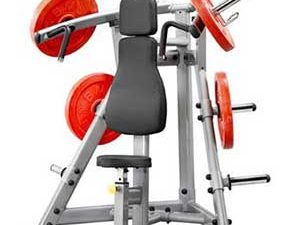
Weight Lifting Equipment
The full Weight Lifting Equipment line.
GSA contract holder • Ships nationwide • From Patient to Doctor & Everyone In Between
Talk to a Medical Equipment Specialist
Toll free 877-706-4480 | Local 713-706-4480 | inquiry@msecompany.net