
Overbed Hospital Lights: What to Look For in Patient Room Lighting
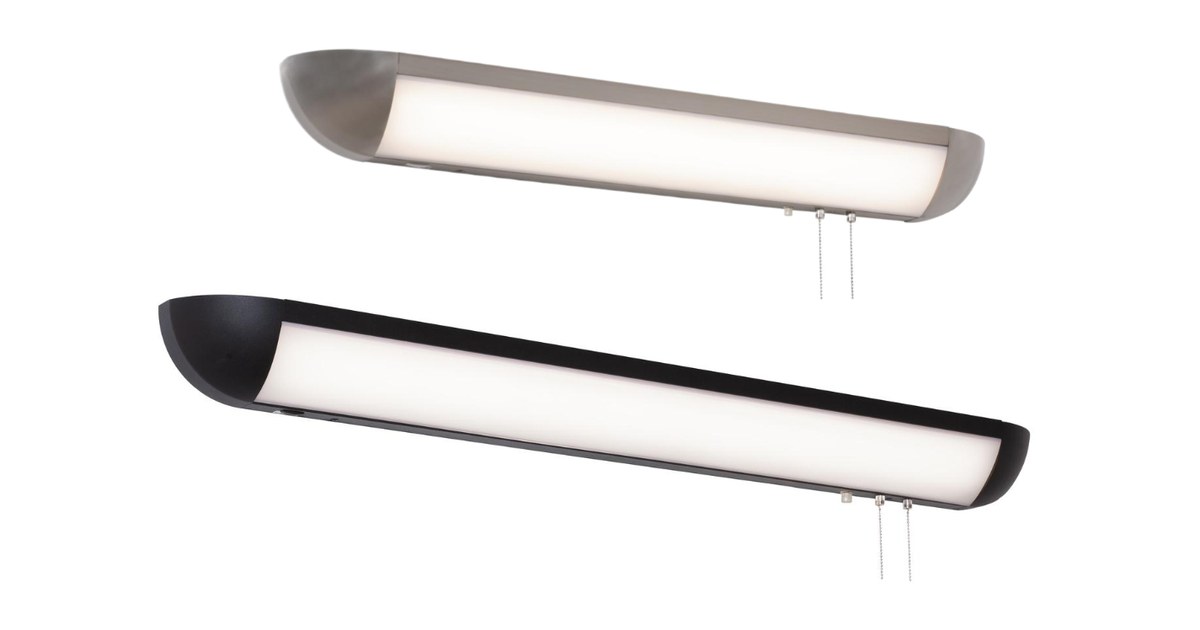
Overbed hospital lights are specialized, wall-mounted lighting fixtures designed to provide both ambient illumination and targeted task lighting for patient beds. You will find them above beds in patient rooms, long-term care facilities, rehabilitation centers and other clinical environments, supporting visibility for caregivers while keeping the room comfortable for patients. This guide covers the functions, construction, LED performance and controls to evaluate when specifying hospital overbed lights for your facility.
Why Overbed Lights Matter in Patient Care Environments
Unlike general room lighting, overbed hospital lights perform multiple functions within a single fixture. They are engineered to provide upward ambient lighting for room illumination and downward task lighting for reading, patient monitoring and bedside procedures. Because these lights operate continuously in healthcare environments, they must meet strict requirements for durability, electrical safety, serviceability and long operational life.
Modern fixtures are commonly built with integrated LED modules rather than replaceable lamps. LED technology provides consistent illumination, reduced energy consumption and significantly longer service life than legacy fluorescent systems. Many contemporary fixtures are rated for approximately 50,000 hours of operation, reducing maintenance demands and minimizing disruption in patient areas. They sit alongside hospital sconce lights and vanity fixtures in the broader family of hospital room lights.
What Functions Are Featured on Overbed Hospital Lights?
Healthcare lighting standards require patient room fixtures to support multiple clinical functions and patient comfort. Overbed lights are engineered with dual or multi-channel illumination systems that allow independent control of ambient and task lighting. Typical functions include:
- Ambient lighting that directs light upward to illuminate the room evenly
- Task lighting directed downward for reading, charting and bedside care
- Examination lighting that provides higher output when clinical assessment is required
- Night lighting that offers low-intensity illumination without disturbing patient sleep
Many fixtures use internal lamp compartments or LED arrays separated by a divider, allowing upward and downward lighting to be controlled independently. Clinicians can switch on reading or examination light without fully illuminating the room, and some fixtures provide approximately 50 footcandles of reading light over the bed. For procedures that demand more intensity than an overbed fixture provides, facilities step up to dedicated surgical and exam lighting such as mounted exam lights or floorstand examination lights.
Which Construction Features Are Required?
Lighting equipment in clinical settings must withstand constant operation, cleaning protocols and routine maintenance. Common construction characteristics include 22-gauge steel wiring channels that provide structural rigidity while protecting electrical components, often with keyhole mounting slots that simplify installation and allow secure attachment to the wall structure.
Internal lamp housings frequently use extruded aluminum or steel enclosures with protective coatings. Powder-coated aluminum bodies and baked white enamel interiors improve light reflectivity and corrosion resistance. Electrical access matters too: many fixtures accept power connections either directly within the wiring channel or through a standard junction box, which simplifies both new construction and retrofit projects. Polycarbonate or acrylic diffusers protect the LED modules while distributing light evenly across the patient area.
How Do Diffusers and Optical Components Improve Lighting Quality?
Because these fixtures sit directly above the patient bed, poorly designed lighting creates glare and uneven illumination. Many fixtures use thermoformed white acrylic diffusers that soften the output and spread it evenly. Frosted acrylic diffusers are common for upward ambient light, while matte white acrylic panels handle downward task light.
Some designs incorporate both top and bottom diffusers: the top spreads ambient light across the ceiling and room, while the bottom softens the reading light for the patient. In certain fixtures the diffusers mount to the electrical channel with decorative fasteners, so maintenance staff can reach internal components while the fixture keeps a clean, professional appearance.
What Electrical and LED Performance Should Purchasers Consider?
Purchasing professionals should evaluate electrical performance, output levels and operational efficiency. Typical LED overbed specifications include:
- Approximately 4050 to 5400 source lumens, depending on configuration
- 4700 to 6500 lumens in larger fixtures
- Adjustable or fixed 3000K color temperature suitable for patient environments
- 80 to 90 CRI color rendering for accurate visual assessment
- Service life ratings of 50,000+ hours
Many fixtures operate on standard 120-volt AC systems, and some accept wider ranges such as 120-277V. Internal LED drivers regulate power delivery for consistent illumination over the fixture’s life. Some models offer adjustable correlated color temperature (CCT) settings across 2700K, 3000K, 3500K, 4000K or 5000K, letting the facility standardize the feel of its rooms.
How Are Overbed Lights Controlled by Patients and Staff?
Many overbed fixtures use four-way pull switches that cycle through upward light, downward light, both, or off. More advanced designs include low-voltage controllers compatible with nurse call systems or pillow speaker interfaces, so patients control the light from their bedside controls. Optional remote wall switch integration lets staff run general lighting independently, and integrated LED night lights provide quiet low-level illumination for overnight checks without waking the patient.
What Compliance, Finish and Sizing Options Are Available?
Most overbed hospital lights used in patient rooms are UL or ETL listed for North American electrical safety, and many are rated for damp locations where humidity or routine cleaning is present. ADA considerations may apply depending on installation height and configuration. Facilities should look for documented electrical ratings, safety certifications and manufacturer warranties; limited warranties around five years are typical for LED fixtures.
Design options have caught up with function. Finishes include satin nickel, brushed nickel, black trim and oil-rubbed bronze accents, with reflective white enamel interiors for efficiency. Fixture lengths range from approximately 36 inches to over 50 inches so lighting output can match room size and bed position.
Selecting the Right Overbed Lighting System
Balance clinical functionality, durability and maintenance. Evaluate illumination levels, control options, LED efficiency, installation flexibility and service access, plus adjustable color temperature, integrated night lighting and nurse call compatibility where they fit your workflow. Because patient rooms operate continuously, reliability and long service life are the highest-value features on the spec sheet.
MSEC supplies LED overbed lighting with consistent performance, multi-functional operation and easy serviceability, part of our complete range of hospital and durable medical equipment for hospitals, surgical centers and clinics. Need help matching fixtures to your rooms? Ask the pros at MSEC or call 877-706-4480.
Frequently Asked Questions
What are overbed hospital lights used for?
They are wall-mounted fixtures installed above patient beds that combine upward ambient lighting for the room with downward task lighting for reading, charting and bedside care. Many also include a higher-output examination mode and a low-intensity night light.
Are overbed hospital lights LED now?
Yes, modern fixtures use integrated LED modules rather than replaceable lamps. LEDs deliver consistent illumination, lower energy use and service life ratings of roughly 50,000 hours or more, which matters in rooms that operate around the clock.
How bright should an overbed light be?
Typical LED fixtures produce roughly 4050 to 5400 source lumens, with larger configurations reaching 4700 to 6500 lumens. Many provide about 50 footcandles of reading light over the bed, with 80 to 90 CRI for accurate visual assessment.
How do patients control an overbed light?
Common designs use a four-way pull switch cycling through up light, down light, both or off. Advanced fixtures add low-voltage controllers that tie into nurse call systems or pillow speaker interfaces so patients control lighting from their bedside controls.
What certifications should hospital lighting carry?
Look for UL or ETL listing for North American electrical safety, a damp location rating for rooms that see humidity and routine cleaning, and documented warranties. Many LED overbed fixtures carry limited warranties of about five years.
Related Pages
- Hospital Overbed Lights: Our full selection of LED overbed fixtures for patient rooms.
- Hospital Room Lights: Overbed, sconce and vanity lighting for patient environments.
- Surgical & Exam Lighting: Higher-output lighting for procedures and clinical assessment.
- Mounted Exam Lighting: Wall and ceiling mounted exam lights for treatment rooms.
- Hospital & Durable Medical Equipment: The complete MSEC hospital equipment catalog.
- Hydrotherapy Rehabilitation Tubs: Tub types, stainless construction, turbine agitation and infection control for therapy facilities.
- Rehabilitation Parallel Bars: Mounting configurations, adjustability and safety features for gait training systems.
No related posts.