
Light & Laser Therapy Equipment & Accessories
Therapeutic laser units, handpieces and accessories for physical therapy clinics, hospital rehab departments, chiropractic practices and athletic training rooms, specified from the manufacturer specification sheet.
Home › Rehabilitation Equipment › Therapeutic Devices › Light & Laser Therapy Equipment & Accessories
Light and Laser Therapy Equipment for Rehabilitation Departments
Light and laser therapy equipment covers the therapeutic laser units, handpieces and related accessories a rehabilitation department operates under a treating clinician’s plan of care. MSEC lists this equipment inside the Therapeutic Devices line, alongside ultrasound, electrical stimulation and shortwave diathermy. Buyers are outpatient physical therapy clinics, hospital rehab departments, chiropractic practices, athletic training rooms and skilled nursing facilities. What separates one unit from another is its output specification, its applicator options and the accessories it needs, all of which come from the manufacturer specification sheet.
Shop Light & Laser Therapy Equipment & Accessories
Everything MSEC carries in Light & Laser Therapy Equipment & Accessories, shown in full. Specifications are supplied by the manufacturer. For current pricing, lead time or a quote on a purchase order, call toll free 877-706-4480.
-
 Quick ViewSelect options
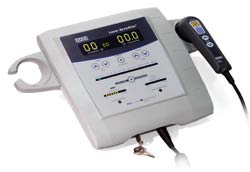
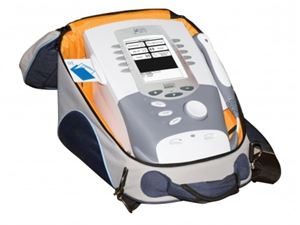
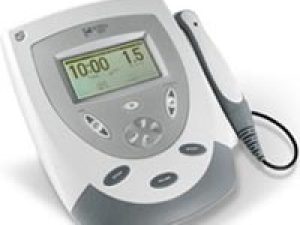
Laser SysStim 540 Therapeutic Laser
Item# 045EMMET$5,446.29Original price was: $5,446.29.$4,034.29Current price is: $4,034.29.

Choosing Between Models?
The Therapeutic Devices Buying Guide walks through the decisions behind this purchase, with a comparison method, the mistakes that cause returns and a pre-order checklist.
What Does MSEC List Under Light and Laser Therapy Equipment?
MSEC lists the Laser SysStim 540 Therapeutic Laser in this category, together with the accessories that belong to a light and laser setup rather than to the electrical modalities beside it. A therapeutic laser is bought as a unit plus the items that attach to it, which is why the category carries both.
Physically, a unit in this class is a generator with a control panel, a cable, and one or more handpieces the clinician positions at the treatment site. The console holds the output controls, the timer and the display. The handpiece is where the light is emitted. Protective eyewear is part of the setup rather than an optional extra, and it is matched to the device rather than bought generically.
- The generator. Tabletop or cart mounted, with a key switch or an equivalent control on most clinical units. It holds the settings and the timer.
- The handpiece or probe. The part that reaches the patient. Units differ in how many probes they support and in whether a probe is included or ordered separately.
- The accessories. Eyewear, probe holders, cables, carry cases and cart options. Ask which of these ship with the unit and which are separate line items, because that varies by model and by revision.
MSEC does not publish an output specification for this unit on the category page. Ask us and we will send the current manufacturer specification sheet for the model you are quoting, so your numbers come from the manufacturer rather than from a catalog summary.
What Specifications Separate One Therapeutic Laser From Another?
Four things separate one therapeutic laser from another on paper: what the device emits, how much of it, how that output is delivered, and which applicator carries it. All four belong on the manufacturer specification sheet, and none of them is a value MSEC selects for a patient.
- Wavelength. Stated in nanometers, and some units emit at more than one. It is the first line buyers compare and it is model specific.
- Output power. Stated per emitter and, on multi emitter heads, as a combined figure. Confirm which of the two the sheet is quoting before you compare two units.
- Emission mode. Whether the unit runs continuous output, pulsed output or both, and which of those settings the console actually exposes to the operator.
- Emitter count and applicator type. A single emitter probe and a multi emitter cluster head are different pieces of hardware with different coverage per placement.
- Console controls. Timer, display, stored presets, and how the operator confirms what the unit is set to before a session starts.
- Electrical supply. Voltage, plug configuration, and whether the unit is mains powered, battery powered or either.
- Interlocks and key control. Whether the unit carries a key switch, a remote interlock connector or both, because that decides how the treatment room is set up around it.
Choosing values within those ranges for a given patient is the treating clinician’s decision, taken under the facility’s own protocols. MSEC supplies the equipment and the manufacturer documentation. For how this modality sits next to the others in the line, the Therapeutic Devices category page sets them side by side.
What Is the Difference Between a Single Emitter Probe and a Cluster Applicator?
A single emitter probe puts the output through one aperture in a narrow handpiece, while a cluster applicator carries several emitters in one larger head. That is a hardware difference, and it changes coverage per placement, handling and cost.
- Single emitter probes are small and easy to hold against a contoured area such as a hand, a wrist or a foot. They are also the lighter item to keep a spare of.
- Cluster heads carry multiple emitters in one housing and cover more surface per placement, at the cost of size and weight.
Two practical questions follow. First, is the probe included with the unit or ordered as a separate line? Second, does the connector match the console you already own, because probes are not generic and a head built for one platform does not plug into another. If a department is standardizing on one console across several treatment rooms, settle the probe question before the units ship rather than after. A spare handpiece is the item clinics most often wish they had put on the original purchase order, because a damaged cable at the probe end takes the whole modality out of the schedule.
What Safety Items Does a Laser Treatment Room Need?
Protective eyewear matched to the device governs the room. It is specified by the manufacturer for that unit, it is worn by everyone present during a session, and it is not interchangeable between devices.
- Eyewear. Ask the manufacturer which eyewear is specified for the model, then order enough pairs for the operator, the patient and anyone else who will be in the room.
- Controlled access. Facilities normally restrict entry while a unit is in use and mark the room at the door.
- Key control. Where a unit has a key switch, the key lives with the designated operator rather than with the machine.
- Operating instructions. The manufacturer’s instructions are the reference. Keep them with the unit, not in a binder in another office.
- A use record. Many facilities log which operator ran the unit and when, as part of their own quality system.
These are facility safety practices, not clinical instructions. Your organization’s policy and the manufacturer’s instructions for the specific device govern how the room is run, and the treating clinician decides everything to do with the patient. If you are setting a modality up for the first time, the therapeutic devices buyer guide walks through the questions worth settling before the unit arrives.
What Should You Confirm on the Specification Sheet Before Ordering?
Confirm the model and revision first, then work down the sheet in this order, because a laser order goes wrong on compatibility far more often than on price.
- Model, revision and what is in the box. Console only, or console plus probe, eyewear and case.
- Output specification. Wavelength, power and emission mode as the manufacturer states them, in writing, for the revision you are being quoted.
- Probe compatibility. If you already own a console or a handpiece, confirm the connector and the platform before you order either one.
- Electrical supply. Voltage and receptacle at the wall in the room where the unit will actually live, not in the room it was demonstrated in.
- Footprint and mounting. Tabletop space or a cart, and where the cable runs once the unit is positioned beside the plinth.
- Cleaning compatibility. Which disinfectants the manufacturer approves for the housing and the probe, so the unit fits the protocol you already run.
- Serviceable parts and lead time. Which parts are replaceable, and what the lead time is on a probe or a cable.
- Freight and delivery. How the unit ships and who signs for it. Record the serial and model plate on arrival, because every future parts call starts there.
Get those answers in writing before the purchase order goes out. A call to 877-706-4480 is faster than a return.
When Does a Department Need a Different Modality From This Line?
Often, because most rehabilitation departments run more than one modality and a laser is rarely the first unit on the floor. The rest of the Therapeutic Devices line covers the alternatives, and the electrical modalities carry the consumables.
- Therapeutic Ultrasound Machines. Console and portable ultrasound and combination therapy units.
- Therapeutic Ultrasound Applicators & Accessories. Sound heads matched to a unit by frequency, plus travel and carry items.
- Neuromuscular Stimulators. Clinic neuromuscular electrical stimulation units for a treatment bay with the clinician present.
- TENS Units. Transcutaneous electrical nerve stimulation devices, including units issued for home programs on clinician instruction.
- Diathermy Units & Accessories. Shortwave diathermy equipment, including cart mounted configurations.
- Electrodes & Lead Wires and Electrotherapy Accessories. The recurring spend that keeps the electrical modalities running.
All of these sit under Rehabilitation Equipment & Products with the rest of the rehab gym lines, so a department can specify modalities, therapy equipment and furnishings from one supplier. If the model or accessory you need is not shown, call 877-706-4480 or 713-706-4480, or email inquiry@msecompany.net and we will check availability and lead time.
Frequently Asked Questions
Do you publish the wavelength and output power of the therapeutic laser?
Not on the category page. Output figures belong on the manufacturer specification sheet for the current revision of the model, and quoting them from a catalog summary is how buyers end up comparing two units on numbers that do not match. Ask for the sheet and we will send the manufacturer’s own document for the unit being quoted.
Can we order a replacement probe on its own?
Ask and we will check. A handpiece is tied to a specific platform and connector, so we need the unit model, the serial and model plate details and the existing probe description before we can confirm anything. Probes are not interchangeable across manufacturers, and a head that looks identical in a photograph will often not connect.
Does a therapeutic laser need its own treatment room?
That is a facility policy question rather than a product specification. Most facilities control access to the space while a unit is in use, mark the door, and keep eyewear for everyone present in the room. Your organization’s safety policy and the manufacturer’s operating instructions decide how the space is set up and who is authorized to operate the unit.
Will our existing electrotherapy cables work with a laser unit?
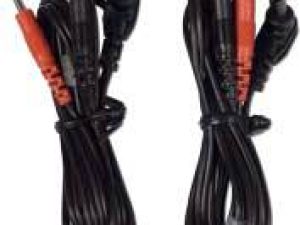
No. Lead wires and electrode cables built for stimulation units are a different item from a laser handpiece, and they do not cross over. Order the applicator that the laser manufacturer specifies for that console. If you are stocking consumables for both modalities, keep the stimulation items on a separate reorder line so the two never get confused at the shelf.
What information do you need from us to quote a laser unit or a part?
Tell us the model you are looking at or the model you already own, the serial and model plate details if it is a part, the voltage at the receptacle in the room, whether you need a cart or tabletop placement, and how many sets of eyewear the room requires. With that we can quote the unit, the accessories and the freight in one pass.
Can one laser unit be shared between two clinics in the same building?
Many facilities do move a portable unit between spaces, and the questions to settle first are practical: is there a transport case, who holds the key, where is the receptacle in each room, and how is the use record kept when the unit crosses a department boundary. Confirm the transport and mounting options on the manufacturer specification before you plan around it.
Related Categories
Move up to Therapeutic Devices, or across to the lines ordered alongside this one.
Therapeutic Devices
The full Therapeutic Devices line.

GSA contract holder • Ships nationwide • From Patient to Doctor & Everyone In Between
Talk to a Medical Equipment Specialist
Toll free 877-706-4480 | Local 713-706-4480 | inquiry@msecompany.net