

Electrodes & Lead Wires
Sponge electrodes, conductive contacts and lead wires for clinic stimulation units, with the connector, sizing and replacement checks therapy departments use when reordering.
Home › Rehabilitation Equipment › Therapeutic Devices › Electrodes & Lead Wires
Electrodes and Lead Wires for Clinical Electrotherapy Units
Electrodes and lead wires are the consumable parts that carry a stimulation unit’s output from the channel connector on the unit to the surface of the skin, where the clinician places and secures them. The electrode is the contact piece held against the body. The lead wire is the cable between the unit and that electrode. Physical therapy and occupational therapy departments, hospital rehab units, skilled nursing facilities and athletic training rooms reorder both continuously, because they wear out long before the generator does.
Shop Electrodes & Lead Wires by Type
Choosing Between Models?
The Therapeutic Devices Buying Guide walks through the decisions behind this purchase, with a comparison method, the mistakes that cause returns and a pre-order checklist.
What Exactly Sits Between the Stimulation Unit and the Skin?
Three parts sit in that path, and each one is ordered separately: the channel connector on the unit, the lead wire, and the electrode held against the skin. A fault anywhere in that chain shows up the same way, as a channel that will not deliver, which is why departments that keep spares of both parts diagnose faster.
On a clinic stimulator, each output channel usually feeds a bifurcated lead, meaning one plug at the unit end splits into two ends at the patient end, so a single channel serves a pair of electrodes. The electrode itself is a conductive contact piece secured with straps rather than adhesive on a sponge style setup. The sponge insert sits between the conductive plate and the skin and is wetted before use, so it is both the contact interface and the part that is consumed.
Clinicians select the modality, the placement and the settings. This page covers what the hardware is, how the parts fit together and what to confirm before the reorder goes in.
Which Electrodes and Lead Wires Does MSEC List in This Category?
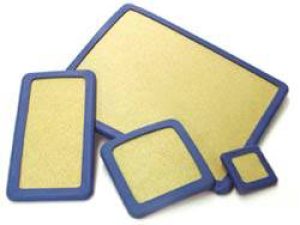
This category is organized around sponge style surface electrodes and the cables that connect them, with Sponge Electrodes as the subcategory inside it. The listing we carry in that subcategory is the Sponge Electrodes 2in x 2in, a 2 inch by 2 inch sponge electrode, which is the small contact size a department reaches for on smaller sites such as the wrist, hand, ankle or foot.
Cable sets and carry items sit one category across in Electrotherapy Accessories, so a reorder that covers both pads and cables usually pulls from two pages. If you need a size, a pack quantity or a termination style that is not shown on this page, call 877-706-4480 toll free or 713-706-4480 local, or email inquiry@msecompany.net with the unit model and the size you are replacing, and the team will confirm what the manufacturer lists for that unit rather than substituting on appearance.
What Decides Whether a Lead Wire Will Connect to Your Unit?
Both ends of the cable decide it, and they are specified independently. The unit end has to match the output jack on the chassis, and the patient end has to match how the electrode terminates, so a lead that fits the stimulator can still be useless at the electrode.
- Unit end plug. Confirm the plug style the manufacturer specifies for your chassis, not for the model family, since connectors change between generations.
- Patient end termination. Pin, snap or clip style ends are not interchangeable. Check the electrode you are actually using, physically, before ordering cable.
- Single or bifurcated. Count how many electrode ends each channel has to feed on your unit.
- Lead length. The cable has to reach from where the unit sits to where the patient is positioned on the plinth without pulling at the connector.
- Strain relief. The molded boot where the cable leaves the plug is the first thing to fail on a busy schedule.
Record the model and serial number from the plate on the unit before you call. Our therapeutic devices buyer guide walks the full compatibility check for units, applicators and cables in one place.
How Do Sponge Electrodes Differ From Other Surface Electrodes in Daily Use?
They differ in what makes contact and in what happens between patients. A sponge electrode uses a wetted sponge insert held against a conductive plate and secured with straps, so the department wets, wrings, cleans and dries it as a routine, and the sponge is the part that is consumed. A self adhesive pad instead depends on its adhesive layer, so it stops being usable when the adhesive stops holding rather than when the material wears.
That difference drives three practical points. Sponge electrodes need a drying rotation, which means a clinic running back to back sessions needs more sets in circulation than it has channels. They also need a defined cleaning routine, taken from the manufacturer instructions for use and your own infection control policy, not from what is convenient at the sink. And the strap is part of the system, so an electrode that will not stay put is often a strap that has lost its elasticity rather than an electrode problem.
Size is a contact area decision made by the clinician against the site being treated. The 2in x 2in size is the small end of that range.
How Often Should Sponge Electrodes and Lead Wires Be Replaced?
Replace them on inspected condition rather than on a fixed calendar interval, because the driver is session volume and handling, and those differ enormously between a two bay outpatient clinic and a hospital rehab department. Build the inspection into the same walkaround that checks the units.
- Sponge inserts. Retire them when the sponge is compressed, thinning, tearing at a corner, staining, or no longer wetting evenly across the face.
- Conductive plates and holders. Look for pitting, discoloration and a plate that no longer sits flat in the holder.
- Straps. Replace when the elastic no longer holds tension or the fastener has stopped gripping.
- Lead wires. Retire a lead that has gone stiff, has a kinked section, shows cracked insulation near the boot, has a corroded or loose pin, or produces an intermittent channel when the cable is moved.
Follow the manufacturer instructions for cleaning, drying, reuse and single patient use for the exact item, and confirm those instructions against your facility protocol before you standardize a routine. An intermittent channel that clears when a known good lead is substituted is a cable fault, not a unit fault, and that one substitution saves most of a service call.
What Should a Department Confirm on the Specification Sheet Before Ordering?
Confirm what is actually in the pack and what the item terminates in, because those two answers cause most of the wrong orders in a consumables category. The size in the name tells you only the contact dimension.
- Stated size. The Sponge Electrodes 2in x 2in listing states 2 inches by 2 inches. Any other dimension you need should be confirmed against the manufacturer specification before ordering.
- Pack quantity. Confirm how many pieces a pack holds, so your par level is set in packs rather than guesses.
- What is included. Confirm whether the item is the sponge insert alone, the insert with its plate or holder, and whether straps come with it.
- Termination and compatibility. Confirm the connector style and the units the manufacturer names as compatible.
- Cleaning agents. Confirm which agents and methods the manufacturer permits before you standardize a protocol around them.
- Availability and lead time. Ask on the quote, then set your reorder point above that lead time.
- Serviceable parts. Confirm whether the sponge insert can be replaced on its own, since that changes the running cost.
Ask for warranty terms in writing for the exact item rather than for the product family.
How Many Electrodes and Leads Should a Clinic Keep in Circulation?
Size the shelf from channels rather than from units, then add a drying rotation. A four channel stimulator working a full schedule consumes pairs of electrodes at every setup, so the count that matters is how many electrode positions your busiest hour puts in service at once.
Work it in this order. Count electrode positions across all units that can run concurrently. Add a second set for the ones that are wet and drying. Add at least one spare lead wire per unit, because a failed cable takes a channel offline immediately and a spare restores it in seconds. Then set the reorder point above the lead time you were quoted, not at zero.
Standardize on as few sizes and terminations as the caseload genuinely allows. Every extra variant is stock that sits, and a mixed drawer is where staff grab a lead that fits the plug but not the electrode. Keep a short part list with the equipment log so reordering is a two minute job rather than a search.
When Does a Buyer on This Page Need a Different Category Instead?
When the part you are replacing is not what touches the patient. This page covers the electrodes and the wires that reach them, and four neighboring pages cover the rest of the chain.
- Cables, cases and carry items: Electrotherapy Accessories holds cable sets and the bags that protect portable units between sites.
- Sound heads: Therapeutic Ultrasound Applicators and Accessories covers applicators, which are matched to a host unit and a frequency and never substitute for an electrode.
- The unit itself: Neuromuscular Stimulators for clinic NMES chassis, or TENS Units where the department issues a transcutaneous electrical nerve stimulation unit for a home program on clinician instruction.
For how the whole modality line fits together, see Therapeutic Devices, and for the choosing process start with the buyer guide. The wider catalog sits under Rehabilitation Equipment and Products, which is worth checking before you place a small consumables order, since consolidating onto one shipment is cheaper than three.
Frequently Asked Questions
What size sponge electrodes do you stock?
The listing in this category is the Sponge Electrodes 2in x 2in, which states a 2 inch by 2 inch contact size. Other sizes are not shown on this page, so tell us the size you are replacing and the unit it connects to, and we will confirm what the manufacturer lists for that unit. Do not substitute a size on appearance alone.
Can sponge electrodes be reused between patients?
That is set by the manufacturer instructions for use for the exact item and by your own infection control policy, not by us. Confirm both before you write a routine. Ask specifically about permitted cleaning agents, drying between uses and whether any part is designated single patient use, and keep that answer with the equipment log so agency and float staff follow the same routine.
Do lead wires come with the stimulator or are they ordered separately?
Confirm it on the specification for the exact model, because it varies by configuration and by generation. Ask what is in the box at the same time you ask for price and lead time, then order a spare lead per unit regardless of the answer. A failed cable takes a channel offline immediately, and a spare on the shelf restores it without a service call or a schedule change.
One channel has gone intermittent. Is it the unit or the lead?
Substitute a known good lead wire into the same channel before you call anyone. If the channel works, the cable was the fault, which is the usual answer when the symptom appears or clears as the cable is moved. If the channel still fails with a proven lead, record the model and serial from the plate and describe what you tested when you call us, since that shortens the service conversation considerably.
Can we use electrodes and leads from another supplier on our unit?
Compatibility is decided by the manufacturer specification for your chassis, so send us the model and serial from the unit plate and we will confirm what is specified rather than matching on connector shape. Connectors that look alike are not always electrically or mechanically equivalent, and a forced fit damages the jack on the unit, which is a far more expensive repair than a correct cable.
The packaging no longer shows a part number. How do we reorder?
Send us photographs of the electrode, the connector end and the unit plate, along with the model and serial number, and tell us the size you have been using. We will identify the item against the manufacturer specification and confirm availability and lead time in the same reply. Call 877-706-4480 toll free or 713-706-4480 local, or email inquiry@msecompany.net.
Related Categories
Move up to Therapeutic Devices, or across to the lines ordered alongside this one.
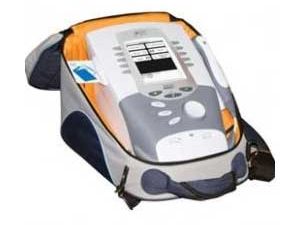
Therapeutic Devices
The full Therapeutic Devices line.

GSA contract holder • Ships nationwide • From Patient to Doctor & Everyone In Between
Talk to a Medical Equipment Specialist
Toll free 877-706-4480 | Local 713-706-4480 | inquiry@msecompany.net