

TENS Units
Transcutaneous electrical nerve stimulation units for outpatient clinics, hospital rehab departments, training rooms and patient home programs, with the electrodes, lead wires and accessories that go with them.
Home › Rehabilitation Equipment › Therapeutic Devices › TENS Units
TENS Units for Therapy Departments and Home Programs
A TENS unit is a transcutaneous electrical nerve stimulation (TENS) device: a compact, battery or line powered stimulator that delivers low level electrical current through surface electrodes placed on the skin. Clinicians in outpatient clinics, hospital rehab departments and athletic training rooms use TENS within physical therapy programs, and patients are often issued a portable unit to continue a program at home. MSEC supplies the stimulators along with the electrodes, lead wires and electrotherapy accessories that keep them working.
Shop TENS Units
Everything MSEC carries in TENS Units, shown in full. Specifications are supplied by the manufacturer. For current pricing, lead time or a quote on a purchase order, call toll free 877-706-4480.
-
 Quick ViewSelect options
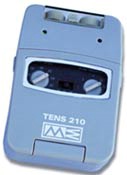
Tens 210 Neuromuscular Stimulator
Item# L012MET$54.00Original price was: $54.00.$40.00Current price is: $40.00.

Choosing Between Models?
The Therapeutic Devices Buying Guide walks through the decisions behind this purchase, with a comparison method, the mistakes that cause returns and a pre-order checklist.
What Do You Actually Receive When You Order a TENS Unit?
You receive a stimulator plus the parts that connect it to the patient, and the second half of that list is what buyers most often forget. A typical TENS order arrives as a housing with the controls and display, one or more output channels, lead wires terminating in pin or snap connectors, a starter set of surface electrodes, a power source, and the manufacturer manual and labeling.
Package contents are not standard across manufacturers. One model ships with a rechargeable pack and a charger, another expects disposable batteries. One includes a carry case and belt clip, another sells both separately. Before you place the order, confirm exactly what is in the box, because a unit that arrives without compatible electrodes cannot be put on the schedule that week.
The stimulator itself is the durable part of the purchase. Everything that touches the patient is consumable, and the reorder pattern for those consumables is a bigger part of the running cost than most first time buyers expect.
Which TENS Models Does MSEC Carry, and Where Else Do They Appear in the Catalog?
This category lists the Tens 210 Neuromuscular Stimulator, and the name itself shows why shortlisting a TENS unit takes two pages rather than one. Manufacturers frequently build one housing that offers TENS output alongside other stimulation output, then catalog it under whichever name the market searches for.
Because of that overlap, check this page and the Neuromuscular Stimulators category together when you are building a shortlist. A unit that appears in one list may carry the capability you want from the other, and the model name alone will not always tell you. The specification sheet will.
If the configuration you need is not on either page, call 877-706-4480 toll free or 713-706-4480 local, or email inquiry@msecompany.net with the model, the channel count and the connector type you need to match. MSEC sources clinic equipment beyond what is listed.
What Specifications Separate One TENS Unit From Another?
Four things separate two TENS units that look alike in a catalog photo: how many channels they drive, what they plug into, how they are powered, and how much of the front panel the user can reach. Work through these in order when you compare specification sheets.
- Channel count. Channels determine how many electrode pairs can be connected to the unit at one time. Two channel and four channel housings are both common, and the clinician who will use the unit should set this requirement, not purchasing.
- Connector and electrode compatibility. Lead wires terminate in pin or snap connectors, and pin diameters are not universal. If your department already stocks electrodes, match the new unit to that stock or plan to change both.
- Mode and output controls. Units differ in the selectable modes, the output adjustment on each channel and whether settings can be locked before a unit is issued. Lockout matters for units that leave the building.
- Power source. Disposable batteries, a rechargeable pack or a line cord each carry a different running cost and a different failure mode on a busy schedule.
- Display and timer. A readable display and a session timer affect how quickly staff can set a unit down and pick it back up between patients.
- Housing and portability. Belt clips, case options and the ruggedness of the housing decide how well a unit survives a training room compared with a treatment table.
MSEC describes what the equipment provides. Selection of a modality and its settings for any patient is the treating clinician’s decision.
Which Consumables Does a TENS Unit Go Through, and How Fast?
Electrodes are the fastest moving consumable on a TENS unit, followed by lead wires and then power. A department that budgets only for the stimulator will be reordering within weeks of putting it into service.
- Surface electrodes. Adhesive electrodes lose tack with use and are generally handled as single patient items. Size and shape are chosen by the clinician, and size drives how many packs a busy clinic consumes.
- Lead wires. Lead wires fail at the flex point next to the plug long before the stimulator fails. Keeping a spare set per unit stops a failed cable from taking a device off the schedule. Browse Electrodes and Lead Wires for replacements.
- Batteries or charging hardware. Stock to the power source you chose, and keep a charger with each rechargeable unit rather than sharing one across a department.
- Cases, bags and cables. Carry bags, bifurcation cables and similar items sit in Electrotherapy Accessories, and they are worth adding to the same order rather than a second freight line later.
Set a standing reorder level for electrodes and lead wires the same way you would for any other clinic consumable.
How Does Buying for a Clinic Differ From Buying Units to Issue to Patients?
Clinic owned units and patient issued units are bought against different criteria, even when the model number is the same. A unit that stays in the building is used by many people in a day, so buyers weigh housing durability, how the surfaces respond to the facility disinfectant, how quickly leads can be swapped, and whether the device can be tagged and tracked in the equipment inventory.
A unit issued to a patient leaves the building. There, simplicity of the control panel, the availability of lockout, the power source the patient can realistically maintain and the resupply path for electrodes matter more than ruggedness. Departments that issue units regularly usually standardize on one model so that instruction and resupply stay consistent, and so that the same electrode packs serve every patient on the program.
If your department does both, the practical answer is often two stock lines rather than one compromise model. The therapeutic devices buyer guide walks through that decision in full.
What Should You Confirm on the Specification Sheet Before Ordering a TENS Unit?
Confirm connector compatibility first, because that is the mistake that turns a delivered unit into a stranded one. Then work down this list with the sheet in front of you.
- Connector type and pin size against the lead wires and electrodes your department already stocks.
- Channel count against what the clinicians who will use it have asked for.
- What ships in the box, specifically electrodes, lead wires, battery or charger, case and manual.
- Power source and, for rechargeable units, whether a spare charger can be ordered.
- Cleaning compatibility with the disinfectant your infection control policy already names, so you are not adding a second product to the cupboard.
- Replacement parts that can be ordered on their own, especially leads and any battery door or clip.
- Manufacturer documentation supplied with the device, including the manual and the model and serial identification you will need when you reorder parts.
Record the model and serial number from the unit plate when it arrives. That single step saves a phone call every time a part is needed later.
When Does a Buyer in This Category Actually Need a Different One?
Reach for a different category when the requirement is a different modality, a different port count or the accessories rather than the device. The most common redirects from this page are these.
- You need clinic stimulation capability beyond a portable unit. Look at Neuromuscular Stimulators, where the housings and channel counts are built for a treatment room rather than a belt clip.
- You need an ultrasound modality. Machines sit in Therapeutic Ultrasound Machines and the heads and gels in Therapeutic Ultrasound Applicators and Accessories.
- You are replacing a deep heating modality. That is Diathermy Units and Accessories.
- You are adding light based equipment. See Light and Laser Therapy Equipment and Accessories.
- You only need the parts. Go straight to Electrodes and Lead Wires or Electrotherapy Accessories.
For the full picture of how these lines sit together, start at Therapeutic Devices, or at the rehabilitation equipment hub if you are specifying a department from scratch.
Frequently Asked Questions
Do TENS units ship with electrodes and lead wires included?
Sometimes, and it varies by model. Some stimulators ship with a starter set of electrodes, a lead wire set and a case, while others are sold as the device only. Confirm the packaged contents before you order, and add a spare lead wire set and an electrode supply to the same purchase order so the unit is usable the day it arrives.
Can one TENS unit be shared between patients in a clinic?
The stimulator itself is shared in most clinics, cleaned between patients according to your facility protocol and the manufacturer instructions. The electrodes are the part that is normally handled as single patient use. Check that the housing materials tolerate the disinfectant your infection control policy already names before you standardize on a model.
How do I tell whether my existing lead wires will fit a new unit?
Look at the connector, not the brand. Lead wires terminate in pin or snap connectors, and pin diameter varies between manufacturers. Take the connector detail from your current lead wire packaging or the unit manual, then match it against the specification sheet for the new device. If the sheet does not state it, call and we will confirm before the order goes through.
Our unit still works but a cable has failed. Can we order just the part?
Often yes. Lead wires, electrodes and many accessory items are ordered separately from the device. Have the model and serial number from the unit plate ready, along with the connector type. Send those to inquiry@msecompany.net or call 877-706-4480 and we will identify the matching part rather than selling you a replacement unit you do not need.
How many channels should the unit we order have?
Channel count sets how many electrode pairs can be connected at one time, so the answer comes from the clinicians who will use the device, not from purchasing. Ask them how many sites a typical session on your caseload involves, then buy the housing that covers it. MSEC can tell you what each unit provides, but the clinical decision stays with the treating clinician.
Do you supply TENS units to home users as well as facilities?
Yes. MSEC sells to hospitals, outpatient clinics, training rooms and individual patients, and the portable units in this line are frequently bought by both. If you are buying for home use on a clinician’s instruction, tell us the model or the electrode type you were given so the unit and the resupply match what you were shown in clinic.
Related Categories
Move up to Therapeutic Devices, or across to the lines ordered alongside this one.
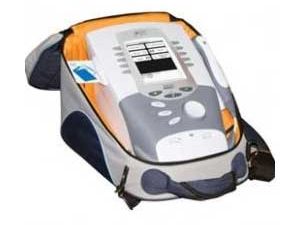
Therapeutic Devices
The full Therapeutic Devices line.

GSA contract holder • Ships nationwide • From Patient to Doctor & Everyone In Between
Talk to a Medical Equipment Specialist
Toll free 877-706-4480 | Local 713-706-4480 | inquiry@msecompany.net