
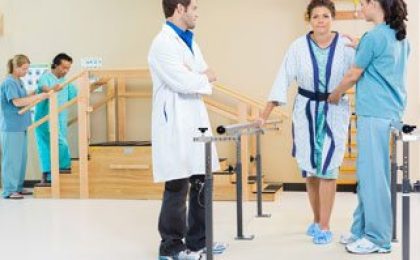
Treadmills
Commercial grade treadmills for outpatient clinics, hospital rehab departments and athletic training rooms, with the belt, speed, handrail and electrical specifications a facility has to confirm before ordering.
Home › Rehabilitation Equipment › Cardio Equipment › Treadmills
Rehabilitation Treadmills for Therapy Gyms and Training Rooms
A rehabilitation treadmill is a motorized walking machine specified for commercial clinical duty rather than home fitness, used by physical therapists, athletic trainers and cardiac rehabilitation staff for supervised walking and endurance work. MSEC stocks three units here: the Commercial Indoor Fitness Treadmill, the Deluxe Commercial Indoor Fitness Treadmill and the Superior Commercial Treadmill. They sit inside the Cardio Equipment line alongside elliptical trainers, exercise bicycles and stair climbers.
Shop Treadmills
Everything MSEC carries in Treadmills, shown in full. Specifications are supplied by the manufacturer. For current pricing, lead time or a quote on a purchase order, call toll free 877-706-4480.
-
 Quick ViewSelect options
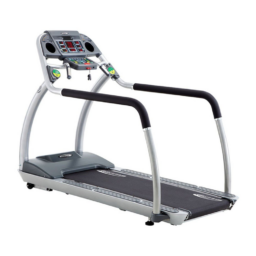
Commercial Indoor Fitness Treadmill
Item# 01TPFMI$6,283.46Original price was: $6,283.46.$4,654.41Current price is: $4,654.41. -
 Quick ViewSelect options
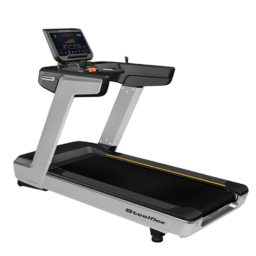
Deluxe Commercial Indoor Fitness Treadmill
Item# 02TPFMI$6,690.44Original price was: $6,690.44.$4,955.88Current price is: $4,955.88. -
 Quick ViewSelect options
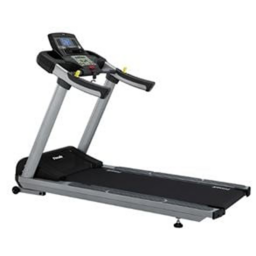
Superior Commercial Treadmill
Item# 07TFMI$3,859.41Original price was: $3,859.41.$2,858.82Current price is: $2,858.82.


Choosing Between Models?
The Cardio Equipment Buying Guide walks through the decisions behind this purchase, with a comparison method, the mistakes that cause returns and a pre-order checklist.
Which Treadmill Models Are Stocked in This Category?
Three commercial treadmills are listed in this category, and all three are commercial grade machines rather than residential models, which is the first thing a rehab gym should confirm on any quote.
- Commercial Indoor Fitness Treadmill. The base configuration in the line, specified where a department needs one supervised walking station and does not need the features carried higher up the range.
- Deluxe Commercial Indoor Fitness Treadmill. The middle configuration. Deluxe signals a higher specification than the base unit, so ask for both specification sheets side by side and compare belt dimensions, motor rating, speed and incline range and console features line by line rather than assuming what the name covers.
- Superior Commercial Treadmill. The top configuration listed here, generally specified for a gym that runs a treadmill through most of the clinic day rather than for a few sessions a week.
MSEC does not publish comparative figures it cannot source from the manufacturer. Tell us which of the three you are pricing and we will pull the current specification sheets, confirm availability and lead time, and mark the differences that actually affect your caseload. Call 877-706-4480 toll free, 713-706-4480 locally, or email inquiry@msecompany.net.
What Makes a Commercial Treadmill Different From a Home Machine?
Duty rating is the difference, and it shows up in the frame, the deck, the motor and the parts supply rather than in anything visible on the console. A residential machine is built around a few hours of use a week by one or two people. A clinic machine is used by a different person every appointment slot, often at low speeds where the motor runs hot and the belt sees the most load per revolution.
- Frame and deck. Commercial frames and decks are built for continuous session turnover. Confirm the deck construction and whether the deck is reversible on the manufacturer specification.
- Motor rating. Compare continuous duty ratings, not peak figures, and ask the manufacturer what rating applies at sustained low speed.
- Handrails. Clinical use puts real load through the rails, because patients hold them. Rail length, height and rigidity belong on the comparison.
- Parts supply. Ask which belts, decks, motors, rollers, boards and rail components can be ordered separately, and how long the manufacturer supports the model.
- Service access. Confirm who performs warranty service in your area and what the manufacturer’s warranty terms actually state before the purchase order goes out.
What Belt Size and Speed Range Should a Gait Program Specify?
Belt length and width decide which walking patterns fit on the machine, and the bottom of the speed range decides whether slow supervised work is possible at all. Both figures are on the manufacturer specification sheet and both are worth reading before price.
Belt length has to accommodate the longest step the machine will see, plus a margin so a patient is not walking at the front roller. Belt width matters where a patient walks with a wide base or where a clinician needs the patient to have room to correct without stepping off. A short or narrow belt limits who can use the machine regardless of what the motor can do.
On speed, read three things: the lowest speed the belt will hold, the size of the increment between settings, and how the machine behaves when it starts from a stop. Clinics often work well below a comfortable walking pace, so a machine whose slowest setting is brisk is the wrong machine no matter how good the rest of the specification is. Incline range matters the same way, with the smallest increment more useful than the steepest grade. Confirm every one of these numbers against the manufacturer specification rather than the marketing copy.
What Should a Buyer Check on Handrails, Entry Height and the Stop Control?
Check how the patient gets onto the belt, what they can hold once they are on it, and how fast the belt can be stopped, because those three points decide whether a machine is usable in a supervised setting. They are easy to miss on a specification sheet and obvious the first week the machine is in the gym.
- Step up height. The height of the deck above the floor sets how much of a step a patient makes to get on. Confirm the figure and compare it against the other machines in the room.
- Handrail length and reach. Longer side rails give a patient something to hold along more of the belt. Confirm rail height and the distance between rails against the manufacturer drawing.
- Stop control. Confirm where the stop control sits, whether a safety key or clip is supplied, and whether spares of that clip can be ordered, since a missing clip takes the machine out of service.
- Console reach. A clinician standing beside the patient needs to reach speed and stop controls without leaning across the belt.
- Rear clearance. Plan open floor behind the belt. That space is part of the machine’s real footprint.
What Should You Confirm on the Specification Sheet Before Ordering a Treadmill?
Confirm electrical supply, footprint and ceiling height, user weight capacity, machine weight, delivery access and assembly before the purchase order is issued. A treadmill is the heaviest and most power hungry machine in most therapy gyms, so the checks are mechanical and electrical rather than clinical.
- Electrical. Confirm the voltage, amperage and plug configuration the manufacturer states, and whether the machine needs its own circuit. Have your facilities contact verify the receptacle before delivery, not after.
- Footprint and ceiling. Confirm the machine dimensions, then add the rear clearance and the side access the room needs. On an inclining machine, check the ceiling height at full incline for a standing user.
- Capacities. Confirm the stated user weight capacity and the machine weight, and check the machine weight against floor loading if the gym is above grade.
- Freight and access. These ship freight. Confirm truck access, whether a liftgate is needed, who receives and uncrates the machine, and that every doorway and elevator on the route clears the crate.
- Assembly and parts. Confirm what assembly is required, what tools come with it, and the part numbers for the belt, deck and safety key.
What Does It Take to Keep a Treadmill in Service in a Busy Gym?
Belt and deck upkeep, tracking adjustment and keeping the underside clean are the recurring jobs, and the manufacturer manual sets the interval for each one. A treadmill that is maintained on schedule stays in the schedule. One that is not usually fails during a session, which costs a treatment slot as well as a repair.
Follow the manufacturer’s stated lubrication method and interval for the deck, and use only the product the manufacturer names, because the wrong lubricant can damage a deck surface. Check belt tension and tracking on the schedule the manual gives, since a belt that drifts wears unevenly and puts load on one roller. Vacuum under and behind the machine, where dust collects around the motor. Wipe the rails, console and frame with an agent compatible with what the manufacturer states and with your infection control protocol.
Hold a small parts shelf rather than ordering on failure. A spare safety key or clip, the belt lubricant and the manufacturer manual itself are cheap to keep and expensive to be without. Ask us for the serviceable part list for the model you buy at the time you buy it, and we will quote those parts with the machine.
When Does a Patient Need a Different Machine Instead of a Treadmill?
When standing balance, weight bearing tolerance or the entry step rules the treadmill out, the answer is a different machine in the same line rather than a different treadmill. A treadmill puts the user in full standing on a moving surface, which is the most demanding arrangement of the four cardio types MSEC stocks.
- Exercise Bicycles. Seated work with minimal weight through the legs, and recumbent models add back support and a lower entry.
- Elliptical Trainers. Standing and weight bearing with both feet staying on the pedals through a guided path.
- Stair Climbers. Standing stepping work for programs that rehearse stairs rather than level walking.
If you are still deciding which machine type to buy first, the cardio equipment buyer guide walks that decision through from an empty room, and the Cardio Equipment page compares the four types against each other. The wider rehabilitation equipment line covers the gait training equipment, parallel bars and training stairs that usually sit in the same room. Whether a machine suits a given patient is a decision for the treating clinician.
Frequently Asked Questions
What is the difference between the Commercial, Deluxe and Superior treadmills?
They are three configurations in the same commercial line, with the Commercial Indoor Fitness Treadmill as the base unit, the Deluxe Commercial Indoor Fitness Treadmill above it and the Superior Commercial Treadmill at the top. MSEC does not publish a feature comparison it cannot source from the manufacturer, so ask us for all three current specification sheets and compare belt size, motor rating, speed and incline range and console features directly.
What user weight capacity should we specify?
Specify against the heaviest user the gym expects, not the average, and confirm the figure on the manufacturer specification sheet for the exact model rather than for the product family. Weight capacity figures are stated by the manufacturer and MSEC does not estimate them. Tell us the capacity you need and we will confirm which of the three models meets it before you order.
Do commercial treadmills fold up for storage?
Folding is a feature of many residential machines and far less common on commercial units, so confirm it on the specification sheet rather than assuming. If floor area is the constraint, plan the room around the machine’s full footprint plus rear and side clearance instead of counting on folding. Where the room genuinely cannot hold a treadmill, an exercise bicycle takes less floor.
How long do the belt and deck last on a clinic treadmill?
Service life depends on hours of use, user weight, the speeds the machine runs at and whether the manufacturer’s lubrication schedule is followed, so the manufacturer states expected intervals rather than MSEC. Treat the belt and deck as consumable parts with a replacement budget instead of as permanent components, and order the part numbers for both at the time you buy the machine.
Can a treadmill go on carpet or on a raised floor?
Check the manufacturer’s stated floor requirement first, then have your facilities contact confirm the floor can carry the machine weight, which is on the specification sheet. Carpet can affect ventilation under the motor, so confirm whether a mat is recommended for the model. On an upper floor, the machine weight plus user weight is the figure that matters for floor loading.
Can you supply a treadmill model that is not listed on this page?
Often, yes. Send the specification you need, including belt dimensions, lowest belt speed, incline range, user weight capacity and electrical supply, to inquiry@msecompany.net or call 877-706-4480 toll free. We will tell you what is available, what the lead time looks like and whether one of the three units already listed meets the specification at a lower cost.
Related Categories
Move up to Cardio Equipment, or across to the lines ordered alongside this one.
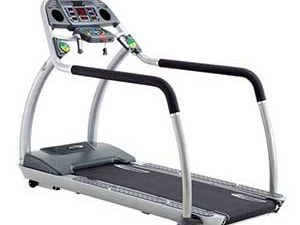
Cardio Equipment
The full Cardio Equipment line.
GSA contract holder • Ships nationwide • From Patient to Doctor & Everyone In Between
Talk to a Medical Equipment Specialist
Toll free 877-706-4480 | Local 713-706-4480 | inquiry@msecompany.net