

Neuromuscular Stimulators
SysStim neuromuscular electrical stimulation consoles held in the MSEC therapeutic devices line, with the specification, connector and accessory checks an outpatient clinic or hospital rehab department should make first.
Home › Rehabilitation Equipment › Therapeutic Devices › Neuromuscular Stimulators
Neuromuscular Stimulators Stocked in the Therapeutic Devices Line
Neuromuscular stimulators are neuromuscular electrical stimulation (NMES) units that clinicians operate within a documented plan of care, connected to a patient through lead wires and electrodes. This page is the catalog shelf for the NMES units stocked inside the MSEC Therapeutic Devices line: the SysStim 206 Neuromuscular Stimulator, the SysStim 208 Neuromuscular Stimulator and the SysStim 208A Neuromuscular Stimulator. Buyers are outpatient clinics, hospital rehab departments, skilled nursing facilities and athletic training rooms.
Shop Neuromuscular Stimulators
Everything MSEC carries in Neuromuscular Stimulators, shown in full. Specifications are supplied by the manufacturer. For current pricing, lead time or a quote on a purchase order, call toll free 877-706-4480.
-
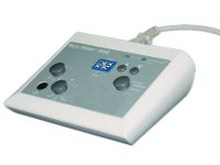 Quick ViewSelect options
SysStim 208 Neuromuscular Stimulator
Item# 802EMMET$1,177.39Original price was: $1,177.39.$872.14Current price is: $872.14. -
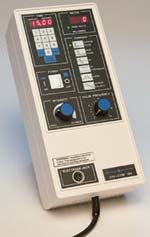 Quick ViewSelect options
SysStim 206 Neuromuscular Stimulator
Item# 602EMMET$2,229.24Original price was: $2,229.24.$1,651.29Current price is: $1,651.29. -
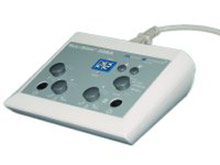 Quick ViewSelect options
SysStim 208A Neuromuscular Stimulator
Item# A802EMMET$1,177.39Original price was: $1,177.39.$872.14Current price is: $872.14.


Choosing Between Models?
The Therapeutic Devices Buying Guide walks through the decisions behind this purchase, with a comparison method, the mistakes that cause returns and a pre-order checklist.
Which SysStim Units Are Stocked in This Category?
Three SysStim units are listed here: the SysStim 206 Neuromuscular Stimulator, the SysStim 208 Neuromuscular Stimulator and the SysStim 208A Neuromuscular Stimulator. They are clinic units from one manufacturer family, which is useful for a department that wants one set of controls and one accessory routine across every treatment room rather than three different operating procedures.
A numbered family is not a ladder. A higher model number does not automatically mean a superset of the lower one, and a suffix letter such as the A on the SysStim 208A denotes a specific configuration rather than a general upgrade. MSEC does not publish a feature by feature comparison it cannot source from the manufacturer, so the correct next step is to read the three current specification sheets rather than to infer anything from the model numbers.
Tell us which units you are pricing, how many treatment rooms they are for and what electrodes and lead wires your clinic already stocks. We will pull the current specification sheets for the SysStim 206, 208 and 208A, confirm availability and lead time on each, and quote them with the accessories the order actually needs. Call 877-706-4480 toll free, 713-706-4480 locally, or email inquiry@msecompany.net.
How Do You Compare the SysStim 206, 208 and 208A on Paper?
Put the three manufacturer specification sheets side by side and compare the same rows on each, rather than comparing prices and assuming the rest follows. These are clinic consoles from one family, so the differences are in the detail and the detail is what your clinicians will live with.
- Output arrangement. Compare how many independent outputs each unit provides and whether they are separately controlled, as the manufacturer states it.
- Waveform and mode set. Compare the modes each unit offers using the manufacturer’s own terms, and hand that list to the clinicians who will use it. They decide which they need, not us.
- Controls and display. Compare how settings are entered and read, because a console that takes a long explanation gets used by fewer staff.
- Power. Compare mains or battery operation, and whether a power cord or charger is included.
- Included accessories. Compare what actually ships in the box, item by item, against what is a separate line.
- Serviceable parts. Compare the part numbers each unit publishes for lead wires, cables and housing components.
Send us the rows you cannot resolve from the sheets and we will go back to the manufacturer rather than guessing.
Should You Shop This Page or the Wider NMES Category?
Use this page when you already know you want a clinic console from the SysStim family, and use the wider Neuromuscular Stimulators category when the question is still which kind of NMES device the department should buy at all. The two pages exist for different stages of the same purchase.
The wider category page is where the modality comparison lives. It sets out how NMES differs from TENS, FES and interferential current, how channel count relates to the protocols a clinic runs, how electrode connector styles decide whether your existing inventory carries over, and what the recurring consumable spend looks like over a few years. That is the page to read before a first purchase or before standardizing a multi site group.
This page is narrower on purpose. It covers the SysStim units held inside the Therapeutic Devices line, what to compare across them, what has to be ordered alongside them and what to confirm before the purchase order goes out. A buyer replacing a failed console, adding a second unit to an existing room or matching what the clinic already owns can work from this page alone.
What Has to Be Ordered Alongside a SysStim Unit?
A stimulator is not a complete treatment station on its own. Plan the order around the unit plus the items that connect it to a patient and the items that keep it working through a full clinic day, or the console will arrive and sit unused.
- Electrodes & Lead Wires. Confirm the connector style the unit takes before ordering anything, since pin and snap styles do not interchange without an adapter, and order the sizes your clinicians actually use.
- Spare lead wires. Cables fail at the connector ends from handling. A spare set on the shelf is the difference between a delayed appointment and a cancelled one.
- Electrotherapy Accessories. Straps, bands, gel and the small items that make a treatment slot run, ordered on the same purchase order as the unit.
- Cart or shelf space. Decide where the unit and its accessory kit live between patients before delivery, not after.
- Documentation. Confirm the manufacturer manual and specification sheet reach the clinicians who will operate the unit.
Ask us to quote the console and a first stock of consumables together so the comparison between two units reflects what each one actually costs to run.
What Should You Confirm on the Specification Sheet Before Ordering a SysStim Unit?
Confirm power, connector style, included accessories, stated cleaning method, serviceable parts, documentation and current availability before the purchase order is issued. These are bench and cart units rather than freight items, so the checks are about compatibility and continuity rather than floor loading or delivery access.
- Power. Confirm whether the unit is mains powered or battery powered, the supply the manufacturer states, and whether a cord or charger is included.
- Connector style. Confirm the lead wire socket on the unit and the electrode connector style, then check both against the stock your clinic already holds.
- What ships in the box. Confirm which lead wires, electrodes, straps and cases are included and which are separate line items.
- Cleaning compatibility. Compare the manufacturer’s stated cleaning method for the housing against the agent and contact time your infection control protocol requires.
- Serviceable parts. Get the part numbers for lead wires and replaceable components on the same order as the unit.
- Availability and lead time. Ask for current stock on the exact model, since the SysStim 206, 208 and 208A move independently of each other.
How Does a Clinic Console Hold Up to Multi Patient Turnover?
The console itself usually outlives everything plugged into it, and the failure points are the sockets, the cables and the housing finish rather than the electronics. Knowing that changes what you buy and what you keep on the shelf.
Lead wire sockets take a connection and a disconnection for every patient, every day. Handle the cables by the connector rather than pulling on the wire, and retire a lead wire when the strain relief at either end starts to separate instead of waiting for an intermittent connection to waste a treatment slot. Route cables so a chair or a cart cannot roll over them, since a crushed cable is the most common avoidable failure in a busy room.
For the housing, wipe down between patients using an agent compatible with the manufacturer’s stated cleaning method and with your infection control protocol, and keep liquid away from the sockets and the control panel. Give the unit a fixed home, on a cart or a shelf, so it is not carried loose between rooms. Record the model and serial number when the unit is commissioned, because that is the first thing we will ask for when you call about a part years later.
When Does a Department Need a Different Therapeutic Device Instead?
When the protocol names a different modality, a different device in the same line is the correct purchase, and an NMES console will not substitute. Ask your clinicians which term the plan of care uses, then buy to that term.
- TENS Units. Transcutaneous electrical nerve stimulation units, specified within pain management protocols and consumed differently from NMES units.
- Therapeutic Ultrasound Machines. Specified where the protocol calls for ultrasound rather than electrical stimulation.
- Diathermy Units & Accessories. A separate modality again, with its own accessory and cart requirements.
If the department is still deciding between modalities or between a single modality unit and a combination unit, the therapeutic devices buyer guide walks that decision through, the Therapeutic Devices page compares the modality types, and the wider rehabilitation equipment line covers the tables, carts and gym equipment that share the treatment room. Whether NMES belongs in a patient’s plan of care, and every parameter set on the unit, is a decision for the treating clinician.
Frequently Asked Questions
What is the difference between the SysStim 208 and the SysStim 208A?
The suffix denotes a specific configuration rather than a general upgrade, and MSEC does not publish a comparison it cannot source from the manufacturer. Ask us for both current specification sheets and compare the output arrangement, the mode set in the manufacturer’s own terms, the controls, the power arrangement and what ships in the box. We will chase anything the sheets leave unclear.
Do the SysStim units come with electrodes and lead wires?
Confirm this on the current specification sheet for the exact model rather than assuming, because included accessories differ by unit and can change between production runs. Whatever is included, order a first stock of electrodes in the sizes your clinicians use plus a spare set of lead wires on the same purchase order, so the console is not waiting on consumables when it arrives.
What should we record from the unit before calling about a part?
Record the model name, the serial number from the unit plate, the connector style on the lead wires and which accessories came with it, and keep that with the manufacturer manual. With those four details we can identify the right part quickly years after purchase. Without them, a parts request on a SysStim console turns into a guessing exercise on both sides.
How long does a SysStim unit take to arrive?
Lead time depends on current stock for the exact model, and the SysStim 206, 208 and 208A move independently, so a unit that is available this week may not be next week. Call 877-706-4480 toll free or email inquiry@msecompany.net with the model you want and we will confirm current availability, the lead time and whether another unit in the family ships sooner.
Is this page the same as the Neuromuscular Stimulators category page?
No. This page covers the SysStim consoles stocked inside the Therapeutic Devices line and what to confirm before ordering one. The wider Neuromuscular Stimulators category page covers the modality itself, including how NMES differs from TENS, FES and interferential current, how channel count relates to clinic protocols, connector compatibility and the consumable spend over time.
Can MSEC set up the unit or train our staff on the settings?
We supply the equipment and make sure the manufacturer manual and specification sheet reach the people who will use it. Which modality belongs in a plan of care, whether NMES is appropriate for a given patient, where electrodes are placed and every parameter on the console are decisions for the treating clinician, using their own training. We do not advise on any of those.
Related Categories
Move up to Therapeutic Devices, or across to the lines ordered alongside this one.
Therapeutic Devices
The full Therapeutic Devices line.

GSA contract holder • Ships nationwide • From Patient to Doctor & Everyone In Between
Talk to a Medical Equipment Specialist
Toll free 877-706-4480 | Local 713-706-4480 | inquiry@msecompany.net