
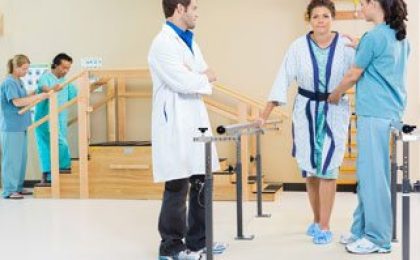
Cardio Equipment
Elliptical trainers, exercise bicycles, stair climbers and treadmills for hospital rehab departments, outpatient clinics, skilled nursing facilities, cardiac rehab programs and athletic training rooms.
Home › Rehabilitation Equipment & Products › Cardio Equipment
Cardio Equipment for Rehabilitation Programs
Cardio equipment in a rehabilitation setting is the group of stationary machines clinicians work with during supervised conditioning, gait and range of motion (ROM) sessions: elliptical trainers, exercise bicycles, stair climbers and treadmills. It looks like fitness floor equipment and it is bought for a different job. A rehab gym needs machines a deconditioned or partially weight bearing patient can enter safely, start at a very low effort and read without squinting. Buyers are hospital rehab departments, outpatient physical therapy (PT) clinics, skilled nursing facilities, cardiac and pulmonary rehab programs and athletic training rooms.
Shop Cardio Equipment by Type
Select a line to see what is available, or go up to all rehabilitation equipment.
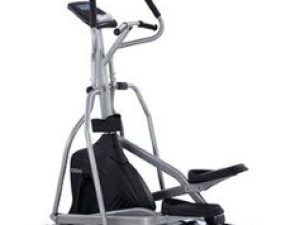
Elliptical Trainers
Standing low impact machines with a guided pedal path for supervised conditioning work.
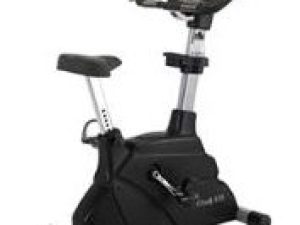
Exercise Bicycles
Seated upright and recumbent bikes, usually the easiest entry for a deconditioned patient.
Stair Climbers
Stepping machines for patients working toward stair negotiation and closed chain leg work.
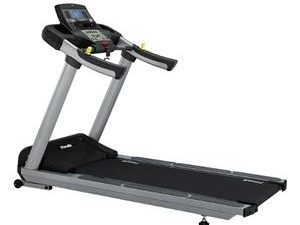
Treadmills
Commercial walking surfaces for gait retraining and supervised walking tolerance programs.
Not Sure Which to Choose?
Our Cardio Equipment Buying Guide walks through the decisions that actually determine the outcome: who is buying, what to compare, the mistakes that cause returns, and a pre-order checklist.
What Is Rehabilitation Cardio Equipment and How Is It Used in Clinical Settings?
Rehabilitation cardio equipment is stationary aerobic equipment specified for supervised clinical use rather than for a member gym. The machine families are the same, elliptical trainers, exercise bicycles, stair climbers and treadmills, but the selection criteria invert: what matters is how low the machine can go, how safely a patient can get on and off, and how well a clinician standing beside it can see and control what is happening.
Clinicians work with these machines inside a plan of care they set and supervise. In an outpatient PT clinic they appear in gait retraining, lower limb strengthening through the knee, hip and ankle, and general conditioning. In cardiac and pulmonary rehab they carry the monitored exercise portion of the program. In a skilled nursing facility they sit inside restorative programs for residents with limited endurance. Occupational therapy (OT) uses seated work where a patient cannot tolerate standing. Athletic training rooms use them in return to activity progression after an injury or surgery.
Across all of those the equipment is a tool the clinician controls, and the machine’s job is to be adjustable enough to stay useful as the patient’s tolerance changes. The purchase decision is about whether it can meet the least capable patient on your caseload, not the most.
What Types of Cardio Equipment Are Available for a Rehab Gym?
Four types sit in this line: elliptical trainers, exercise bicycles, stair climbers and treadmills. Most rehab gyms carry at least two, because no single machine suits every patient presentation.
- Elliptical trainers. Standing, low impact, both legs moving through a fixed path with the feet never leaving the pedals. The Elliptical Cross Trainer is the unit in this branch.
- Exercise bicycles. Seated work with the patient supported through the trunk. The Professional Recumbent Exercise Bike and the Upright Professional Indoor Exercise Bike cover the two seating positions.
- Stair climbers. Stepping patterns for patients working on stair negotiation and closed chain leg work, including the Professional Exercise Stair Stepper and the Standard Elliptical Exercise Climber.
- Treadmills. Walking and gait work on a controlled surface, covered by the Commercial Indoor Fitness Treadmill, the Deluxe Commercial Indoor Fitness Treadmill and the Superior Commercial Treadmill.
All four subcategories sit under Rehabilitation Equipment & Products alongside the rest of the rehab gym lines, so a department outfitting a new space can specify cardio, strength and therapy equipment from one supplier. Tell us what you treat and we will help you weigh the mix. If a model or configuration you need is not listed, ask and we will check availability and lead time.
How Do Elliptical Trainers, Exercise Bicycles, Stair Climbers and Treadmills Differ?
They differ in how much of the patient’s body weight goes through the legs, how much standing balance is required, and what functional task they rehearse. That is the axis a rehab gym buys on, and it is the one fitness marketing never talks about.
- Exercise Bicycles. The most supported option, because the patient is seated and weight bearing through the legs is minimal. Recumbent models add back support and a lower, more open entry. This is usually the first machine a deconditioned patient can use.
- Elliptical Trainers. Standing and weight bearing, but low impact, with both feet staying in contact with the pedals through a guided path. Requires standing balance and the ability to step up onto the pedals.
- Stair Climbers. Standing, weight bearing and closed chain, rehearsing the stepping pattern that stairs at home actually demand. Generally the most demanding of the four for a patient with limited leg strength or restricted knee range of motion.
- Treadmills. Full weight bearing walking on a moving surface. The most functionally specific for gait work and the one that needs the most attention to entry, handrail support and a clear stop.
A gym that carries a bicycle and a treadmill covers the widest spread of ability. Adding an elliptical trainer or a stair climber fills in the middle of that range.
What Makes Cardio Equipment Suitable for a Rehab Gym Rather Than a Fitness Gym?
Suitability for rehab comes down to four things a fitness buyer never checks: how low the machine starts, how a patient gets on and off, how readable the console is, and how quickly the machine can be stopped. A commercial machine can be excellent equipment for a member gym and still fail all four.
A fitness floor is specified at the top of the range, because members want to push harder. A rehab gym is specified at the bottom of the range, because its patients are working back from surgery, injury or a long period of inactivity. Three weeks post surgery, a patient does not need a higher resistance level, they need a level low enough to complete a short bout without stopping. If the lowest setting is still too hard, the machine has no clinical use for that patient whatever else it offers.
The second difference is supervision. In a rehab gym a clinician stands beside the machine, needs to see the console from where they are standing, needs to reach the controls, and needs room to assist a transfer. Sightlines and layout belong in the specification, not in the installation notes.
Why Does the Lowest Resistance or Speed Setting Matter More Than the Highest?
Because the lowest setting decides whether a patient can use the machine at all. Top end capability is irrelevant to someone whose current tolerance is a few minutes at minimal effort, and a machine whose first level is already hard work simply sits unused by the patients who need it most.
Ask about the bottom of the range specifically, for every machine on the shortlist. On a bicycle or elliptical trainer that means the lowest resistance level. On a treadmill it means the slowest belt speed, which matters enormously for gait work, because a patient relearning a walking pattern often works well below a comfortable walking pace. Ask about the increment as well. Large jumps between levels can be the difference between a progression a patient can make and one they cannot.
The same logic applies to stair climbers, where the slowest step rate decides whether a patient can complete a controlled step rather than hurrying to keep up. Get these figures from the manufacturer specification before you commit, and compare machines at the bottom of the range rather than at the top.
How Should Buyers Evaluate Entry and Exit for Patients With Balance Limitations?
Evaluate entry and exit by walking through it as the patient would, including the moment the machine is still and the moment it starts moving. In a rehab gym the transfer on and off is where supervision is most concentrated.
- Step over height. How high the patient has to lift a foot to get into position. Lower is better, and a recumbent bicycle with an open frame is usually the easiest entry in the room.
- Handholds during transfer. There has to be a stable handhold that is not a moving part, positioned where the hand naturally goes rather than where a fitness designer put a handlebar.
- Stability when unloaded. The machine must not shift or rock when a patient loads one side to climb on, which is a different test from stability during use.
- Stopping. A clear, reachable stop that both the patient and the clinician standing alongside can operate without looking for it.
- Clearance for an assistive device. If a patient arrives with a walker or a cane, there has to be somewhere within reach for it to go.
Where a patient uses a wheelchair, confirm the approach and transfer path as well as the machine itself, since the room layout decides that more than the equipment does.
What Should Buyers Look For in a Console or Display?
Look for a console a patient with reduced vision can read from the exercise position and a clinician can read from beside the machine, with controls that do not require menu diving. Readability is a clinical requirement in a rehab gym, not a comfort feature.
Practical points to check: character size and contrast, whether the console reads from an angle rather than only straight on, and whether room lighting or a window washes it out. Check where it sits relative to a seated patient on a recumbent bicycle, which is a different sightline from a standing patient on a treadmill. If the program calls for the patient to track time, distance, resistance level or heart rate, confirm the console actually shows those fields in a form the patient can use.
On controls, the settings clinicians change most often should be reachable without stopping the session or navigating a program menu. Consistency across the gym helps too. If every machine works differently, staff and patients both spend session time on the interface instead of the exercise.
What Construction and Durability Standards Should Clinical Cardio Equipment Meet?
Clinical cardio equipment has to take continuous supervised use, frequent disinfection and patients who load it unevenly during transfers, which is a harder duty cycle than a home machine ever sees. In a rehab gym build quality shows up as stability under an uneven load and as parts that are still available years later.
- Frame and stability. The machine should stay planted when a patient shifts weight to one side getting on. Levelers matter on any floor that is not perfectly flat.
- Weight capacity. Use the manufacturer specification for user weight capacity and check it against the patients you actually treat rather than an assumed average.
- Seats, pads and grips. Seats, backrests, pedal straps and grips are wiped between patients, so the upholstery and pad materials have to tolerate repeated disinfection without cracking.
- Casters and transport wheels. If the machine will be repositioned to clear floor space for a session, confirm what it rolls on and whether your floor surface suits it.
- Serviceable parts. Belts, decks, pedals, grips, consoles and drive components are the parts that wear. Availability and lead time matter more here than the spec sheet does.
- Warranty terms. Ask what the manufacturer covers, for how long, and whether commercial or clinical use changes the terms. Get it stated on the quote.
Confirm every dimension, weight and electrical figure against the manufacturer specification before the space is committed.
How Much Space Should a Facility Plan Around Each Machine?
Plan for the machine footprint plus working room for a clinician on at least one side, clear access at the entry point, and treadmill run off space counted separately. The footprint on the spec sheet is not the space the machine needs in a rehab gym.
Treadmills need clearance behind the belt so a patient who steps back has somewhere to go, and should never sit with a wall or another machine immediately behind them. Elliptical trainers and stair climbers need overhead clearance as well as floor area, because the patient stands elevated on the pedals, which is easy to miss in a room with a low ceiling or exposed ductwork.
Then add what a fitness floor plan leaves out. Standing room for a clinician to assist. A path wide enough for a wheelchair or walker to reach the machine. Somewhere to park an assistive device during the session. A sightline from the machine to wherever staff work, so no patient exercises out of view. Sketch the room with those included before you finalize the equipment list, because it often changes how many machines actually fit.
What Should a Facility Confirm Before Ordering Cardio Equipment?
Confirm power, footprint and clearance, floor loading, delivery and freight access, cleaning protocol compatibility, lead time and parts availability before the order goes in. Cardio equipment is heavy, crated and awkward to move, and none of it gets easier once it is on the dock.
- Electrical. Powered machines, treadmills in particular, need the right voltage and an outlet positioned so no cord crosses a patient path. Confirm the requirement against the manufacturer specification.
- Footprint and clearance. Measure the machine footprint plus the working and run off space described above, not just the machine.
- Floor loading. Confirm the floor is rated for the machine plus a patient, especially above grade or on a raised floor.
- Delivery and freight access. These ship by freight. Confirm dock or liftgate needs, door widths, corridor turns and elevator car dimensions, and agree who uncrates and positions the unit.
- Assembly. Confirm what arrives assembled, what does not, and who is doing the assembly.
- Availability and lead time. Ask what is stock and what is built to order before you commit to a room opening date, and get the lead time on the quote.
- Cleaning protocol compatibility. Confirm the disinfectants your facility permits suit the upholstery, pads, grips and console surfaces.
- Serviceable parts and warranty. Ask which wear parts are available separately, what they cost and what the warranty covers, before you buy rather than after.
How Should Medical Equipment Buyers Evaluate Cardio Equipment Against Their Caseload?
Start from the least capable patient you regularly treat and work upward, because a machine that cannot serve them is a machine that sits idle during your busiest hours. List the presentations you see weekly, then check each machine against the hardest of them.
A caseload of deconditioned or cardiac patients points to seated options first, and the Professional Recumbent Exercise Bike is usually the easiest entry in the room. Gait retraining points to a treadmill with a genuinely slow belt speed. Patients working toward stairs at home point to a stair climber. Return to activity work in an athletic training room can draw on the whole range. Most gyms settle on a bicycle plus a treadmill as the core and add from there as the caseload and the floor area allow.
Then run the constraints: floor area, power, floor loading, ceiling height and staffing sightlines. Those often shorten the list faster than the clinical criteria do. Finally, budget for the wear parts and not only the purchase. To talk through a layout or a machine mix for your space, call 877-706-4480 or 713-706-4480, or email inquiry@msecompany.net.
Frequently Asked Questions
Which cardio machine is easiest for a patient with balance limitations?
A seated machine, and usually a recumbent bicycle, because the patient is supported through the session and the frame is open at entry. The Professional Recumbent Exercise Bike sits in the Exercise Bicycles subcategory for that reason. Standing machines such as elliptical trainers and stair climbers require the patient to step up and hold standing balance. Your clinician decides what is appropriate for a given patient.
What should I ask about before buying a treadmill for gait work?
Ask about the slowest belt speed and the size of the increments between speeds, because gait retraining often happens well below a comfortable walking pace and large jumps make progression hard. Then check handrail position and reach, the stop control, and the clearance behind the belt. Confirm each figure against the manufacturer specification rather than the marketing copy before you commit.
Can commercial fitness machines be used in a rehab gym?
Often yes, but they have to be checked against rehab criteria rather than fitness ones. The questions are how low the resistance or speed starts, how a patient gets on and off, whether the console is readable from the exercise position and from beside the machine, and whether wear parts are still available. A machine can be well built for a member gym and still start too hard for a patient.
What is the difference between a stair climber and an elliptical trainer?
A stair climber rehearses a stepping pattern, so it is closed chain and generally more demanding on the legs, which suits patients working toward stairs at home. An elliptical trainer keeps both feet on the pedals through a guided low impact path, so it is usually the gentler of the two for standing work. Both require standing balance and the ability to step up.
How much space do I need around each machine?
More than the footprint. Plan the machine footprint plus working room for a clinician on at least one side, clear access at the entry point, and run off clearance behind a treadmill. Standing machines also need overhead clearance because the patient is elevated on the pedals. Add a path wide enough for a wheelchair or walker and somewhere to park an assistive device during the session.
Which spare parts should a rehab gym hold for its cardio machines?
Hold the contact and drive parts your machines run through fastest: treadmill belts and decks, pedals and pedal straps, grips, seat pads and upholstery, and console components. Clinical use runs these harder than a home setting because sessions are back to back and surfaces are disinfected between patients. Ask us which parts are stocked separately and what the lead times are, then build a small spares kit at the time of order.
How does this equipment ship and what do I need at delivery?
Cardio equipment ships by freight, crated and heavy. Confirm whether your site has a dock or needs a liftgate, then measure the route from the truck to the gym: door widths, corridor turns, elevator car dimensions and thresholds. Confirm what arrives assembled and who is doing the assembly and positioning. Telling us your access constraints when you order prevents a stalled delivery.
What if the machine or configuration I need is not listed here?
Contact us and we will check what is available. This page shows the models we list online, and the catalog behind it is larger. If you need a specific configuration, a different weight capacity, or a machine to match equipment already in your gym, call 877-706-4480 or 713-706-4480 or email inquiry@msecompany.net with the details and we will source it.
Related Rehabilitation Categories
Move up to the full rehabilitation silo, or across to the lines clinics order alongside this one.
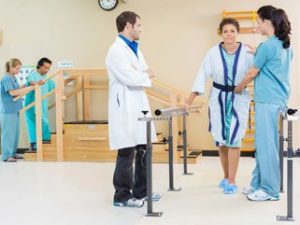
Rehabilitation Equipment & Products
The full rehabilitation silo: every line MSEC carries for therapy and recovery.
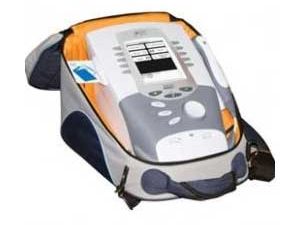
Therapeutic Devices
Electrotherapy, ultrasound and stimulation units with their electrodes and consumables.
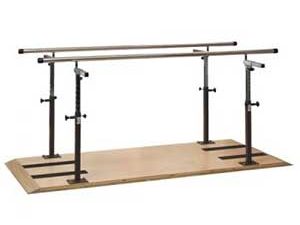
Physical Therapy Equipment
Parallel bars, rehab work tables and training stairs for gait and function work.
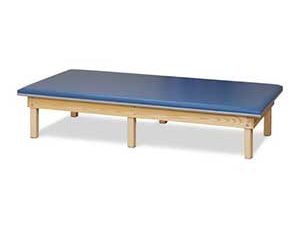
Fitness & Rehab Merchandise
Balance boards, pulleys, dynamometers, mat tables and stretching equipment.
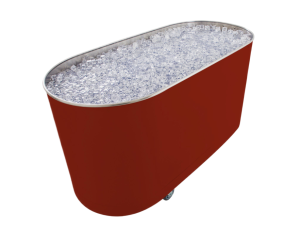
Hot & Cold Therapy Equipment
Heating and chilling units that hold packs and water at treatment temperature.
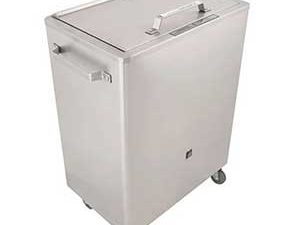
Hot & Cold Therapy & Supplies
Packs, covers and wraps: the consumable side of thermal therapy.
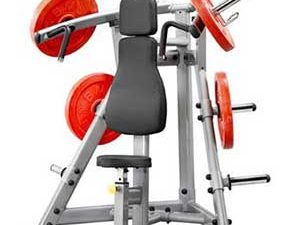
Weight Lifting Equipment
Weight machines and racks for progressive resistance in small increments.
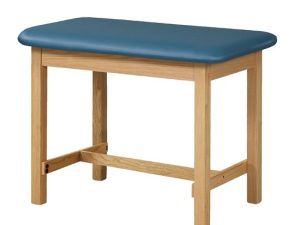
Taping & Chiropractic Tables
Chiropractic and treatment tables in fixed and adjustable heights.
GSA contract holder • Ships nationwide • From Patient to Doctor & Everyone In Between
Talk to a Medical Equipment Specialist
Tell us the facility, the room and the caseload and we will put the right list together. Toll free 877-706-4480 | Local 713-706-4480 | inquiry@msecompany.net