
web analytics

Therapeutic Ultrasound Applicators & Accessories

Replacement and additional Sonicator ultrasound applicators by frequency and surface area, plus transport cases, for outpatient clinics, hospital rehab departments and athletic training rooms.

HomeRehabilitation EquipmentTherapeutic DevicesTherapeutic Ultrasound Applicators & Accessories

Therapeutic Ultrasound Applicators and Accessories for Therapy Departments

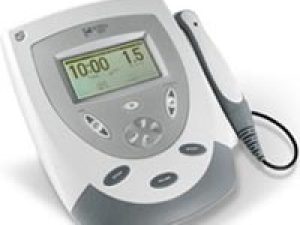
A therapeutic ultrasound applicator is the handheld sound head that connects to an ultrasound generator and carries its output to the treatment site. This category holds replacement and additional applicators for Sonicator units, identified by frequency or effective surface area, plus the Travel Bag for Sonicator 740 Unit. Outpatient physical therapy clinics, hospital rehabilitation departments and athletic training rooms order from here when a head is damaged, when a second frequency is needed, or when a portable unit travels.

Shop Therapeutic Ultrasound Applicators & Accessories

Everything MSEC carries in Therapeutic Ultrasound Applicators & Accessories, shown in full. Specifications are supplied by the manufacturer. For current pricing, lead time or a quote on a purchase order, call toll free 877-706-4480.

Choosing Between Models?

The Therapeutic Devices Buying Guide walks through the decisions behind this purchase, with a comparison method, the mistakes that cause returns and a pre-order checklist.

What Do the Frequency Numbers in an Applicator Name Actually Tell You?

The frequency in the name is the operating frequency of that sound head, and it is the single specification that decides whether the applicator matches what your clinicians asked for. Clinicians select applicator frequency according to the tissue depth they are working at, so the number is a clinical requirement handed to purchasing rather than a preference.

  • 1MHz heads. The 1MHz Sonicator Ultrasound Applicator and the 1MHz Sonicator 740 Ultrasound Applicator w/ Light are single frequency heads listed at 1MHz.
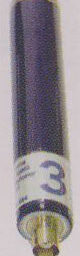
  • 3.3MHz heads. The 3.3MHz Sonicator Pencil Style Ultrasound Applicator is listed at 3.3MHz in a pencil style form factor.
  • Dual frequency heads. The 1.0 and 3.2MHz Sonicator 740 Ultrasound Applicator carries both frequencies in one head, which removes a head change from the session when a department uses both.

A dual frequency head is not automatically the better buy. It only earns its place if the schedule actually calls for both frequencies on the same unit, and it still has to be confirmed against the host generator before ordering.

How Do You Work Out Which Applicator Fits the Unit You Already Own?

Match the applicator to the host generator by model and serial number first, then by frequency, then by connector, in that order. Ordering on frequency alone is the most common reason an applicator arrives and will not go into service.

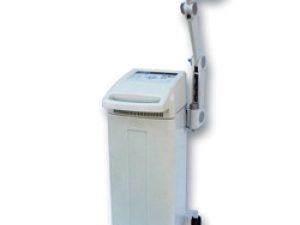
Start at the unit plate. Write down the model name and the serial number exactly as printed, including any suffix letters, because catalog listings change over a product’s life while the serial range does not. Note whether the unit is a Sonicator 740, since three of the applicators in this category name that unit directly: the 1MHz Sonicator 740 Ultrasound Applicator w/ Light, the 1.0 and 3.2MHz Sonicator 740 Ultrasound Applicator and the travel bag built for it.

Then check the port. Count how many applicator ports the generator has and look at the connector on the head currently in use, including whether it is threaded or keyed. If the unit predates the current listing, send us the plate details and we will confirm what the manufacturer specifies for that serial range rather than reading across from a model name. The therapeutic devices buyer guide walks through the same compatibility check for electrodes and cables.

Why Does the Size of the Sound Head Change Which One You Order?

Head size decides which body areas an applicator can be used on, which is why departments often keep more than one. A large head covers ground quickly on a broad, flat area, while a small head reaches contoured areas where a large face cannot maintain contact.

  • 10 cm2 Ultrasound Applicator. Listed by effective surface area rather than by frequency, so the area figure is what you are buying against. Confirm the host unit before ordering this one.
  • Pencil style heads. The 3.3MHz Sonicator Pencil Style Ultrasound Applicator has a small head on a slim body, which is the form factor clinicians reach for on hands, wrists, feet and other contoured areas.
  • Standard heads. The 1MHz and dual frequency Sonicator applicators are conventional sound heads for larger surfaces.

A department running both hand therapy and larger region work usually needs two head sizes rather than one compromise head. Decide that from your caseload mix before you price the order, since a second head bought later often ships on its own freight or parcel charge.

What Should You Confirm on the Specification Sheet Before Ordering an Applicator?

Confirm host unit, frequency, effective surface area, connector and cable length against the manufacturer’s documentation, not against the product photo. Applicators look similar in a catalog image and are not interchangeable.

  • Host unit compatibility. The generator model and serial range the applicator is specified for.
  • Frequency. Single or dual, and whether it is the frequency the clinicians asked for rather than the one the department already owns.
  • Effective surface area. Stated in the specification or, as with the 10 cm2 Ultrasound Applicator, in the product name.
  • Connector type. The plug that meets the generator port, confirmed visually against the head in service.
  • Cable length and strain relief. Enough reach for the clinician to work around the table from the unit’s parked position.
  • Cleaning compatibility. Which disinfectants the manufacturer permits on the applicator face, housing and cable, before you standardize a wipe.

Record all of it in the department’s equipment log at commissioning so the next order takes two minutes.

What Takes an Applicator Out of Service, and Should You Hold a Spare?

Cable damage at the strain relief and damage to the applicator face are what end an applicator’s working life, and both happen in normal handling rather than through misuse. That is why departments running a full modality schedule generally hold a spare in the frequency they use most.

The cable flexes every session at the point where it leaves the head and again where it meets the connector. Inspect both ends on a set schedule, look for kinking, stiffness or exposed conductor, and retire a cable that shows any of it rather than working around it. Treat the applicator face as a finished surface: do not set a head down on a hard edge, and confirm the permitted cleaning agents before anyone wipes it with whatever is on the cart.

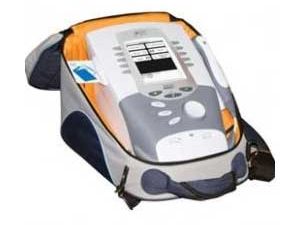
Storage decides how long a head survives. Return each applicator to its holder between patients instead of leaving it on a plinth, and use a carry case when a portable unit moves. The Travel Bag for Sonicator 740 Unit exists for exactly that, and further transport and cable items sit under Electrotherapy Accessories.

Which Applicators and Accessories Are Listed in This Category?

This category holds Sonicator applicators across single and dual frequencies, two head formats and one transport item. Use the names exactly as listed when you request a quote, since near identical names separate different heads.

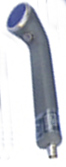
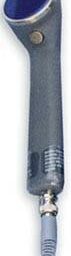
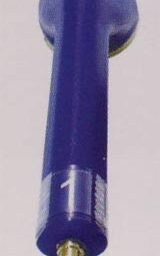
  • 1MHz Sonicator Ultrasound Applicator. Single frequency head at 1MHz.
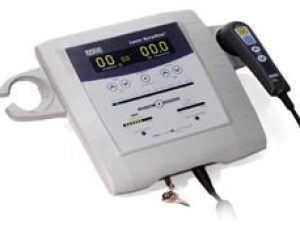
  • 1MHz Sonicator 740 Ultrasound Applicator w/ Light. Single frequency head at 1MHz, listed with light, named for the Sonicator 740.
  • 1.0 and 3.2MHz Sonicator 740 Ultrasound Applicator. Dual frequency head named for the Sonicator 740.
  • 3.3MHz Sonicator Pencil Style Ultrasound Applicator. Pencil style head at 3.3MHz.
  • 10 cm2 Ultrasound Applicator. Listed by effective surface area.
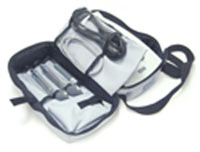
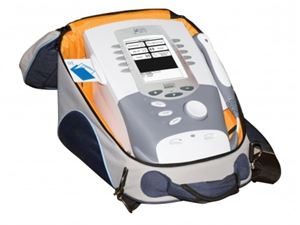
  • Travel Bag for Sonicator 740 Unit. Transport case for the Sonicator 740.

If the head you need is not shown, call 877-706-4480 toll free or 713-706-4480 locally, or email inquiry@msecompany.net with the unit plate details.

When Do You Need an Ultrasound Machine or a Different Category Instead?

Order from another subcategory when you are buying the generator rather than the head, or when the modality itself is changing. An applicator on its own does nothing without a compatible unit behind it.

For how the modality lines fit together, see the Therapeutic Devices page, and for the wider catalog of tables, gym equipment and hydrotherapy, start at Rehabilitation Equipment & Products.

Frequently Asked Questions

Read the frequency printed on the applicator body or its label, and keep each head with the holder or case it was supplied in. Heads of different frequencies can look nearly identical in the hand, so departments that run both usually tag them and store them in fixed positions. Record which frequency lives on which unit in the equipment log at commissioning.

It depends on whether both frequencies are used on the same unit in the same session. A dual frequency head such as the 1.0 and 3.2MHz Sonicator 740 Ultrasound Applicator removes a head change from the workflow, which is worth real time in a busy bay. If one frequency covers almost your entire schedule, two single frequency heads with one held as a spare is usually the more practical inventory.

It states the size of the sound head face, which is what decides the body areas the head can be used on. The 10 cm2 Ultrasound Applicator is listed by that figure rather than by frequency, so confirm the host unit and required frequency separately before ordering it. Where an area figure is not in the name, ask us and we will confirm it against the manufacturer specification.

Not without confirming it first. Applicators are specified for particular generators and serial ranges, and the connector, frequency and calibration relationship all have to match. Send us the model and serial number from both unit plates and we will confirm what the manufacturer states. Swapping heads between units on the assumption that the brand name matches is how departments end up with an unusable part.

Most departments hold one spare in the frequency they use most, because a damaged cable otherwise takes a modality off the schedule for the full lead time. Set the number from how many ultrasound sessions run per week and how many units are in service. A department running a single unit at capacity has more exposure to one failure than a department with three units.

The Travel Bag for Sonicator 740 Unit is listed for that unit, so confirm the fit before ordering it for anything else. If you are transporting a different portable unit, tell us the model and we will check what carry options the manufacturer specifies. Other transport and cable items are grouped under Electrotherapy Accessories, and we can quote across both categories on one order.

Related Categories

Move up to Therapeutic Devices, or across to the lines ordered alongside this one.


GSA contract holder  •  Ships nationwide  •  From Patient to Doctor & Everyone In Between

Talk to a Medical Equipment Specialist

Toll free 877-706-4480  |  Local 713-706-4480  |  inquiry@msecompany.net

Scroll to Top