
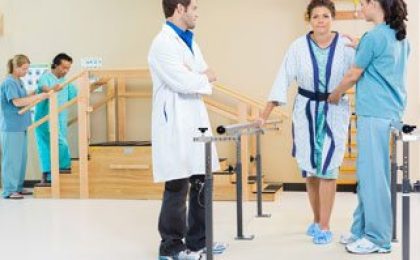
Therapeutic Devices
Therapeutic ultrasound machines and applicators, NMES stimulators, TENS units, shortwave diathermy, laser therapy equipment, electrodes and cables for rehab clinics, hospital therapy departments and training rooms.
Home › Rehabilitation Equipment & Products › Therapeutic Devices
Therapeutic Devices for Rehabilitation and Physical Therapy Departments
Therapeutic devices are the powered modality units a rehabilitation department operates under a clinician’s plan of care, together with the applicators, electrodes, lead wires and cables that connect them to the patient. The line covers therapeutic ultrasound machines, neuromuscular stimulators, transcutaneous electrical nerve stimulation (TENS) units, shortwave diathermy and therapeutic laser equipment. Physical therapists, occupational therapists and physicians deploy these modalities alongside therapeutic exercise, manual therapy and range of motion work, in rooms that range from a two bay outpatient clinic to a hospital rehab floor. Buyers are clinic owners, rehab directors and materials managers, plus patients purchasing a take home unit on clinician instruction.
Shop Therapeutic Devices by Type
Select a line to see what is available, or go up to all rehabilitation equipment.
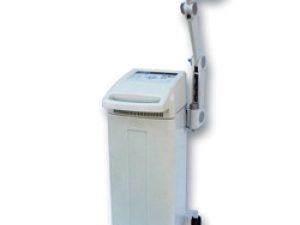
Diathermy Units & Accessories
Shortwave diathermy equipment including the AutoTherm 391 and AutoTherm 395, plus cart configurations.
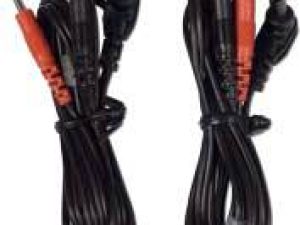
Electrodes & Lead Wires
Surface electrodes, pads and lead wires for stimulation units, including Sponge Electrodes 2in x 2in.
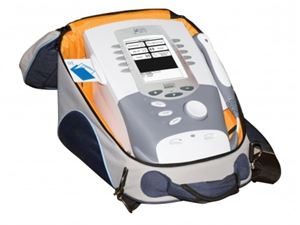
Electrotherapy Accessories
Cables and carry cases supporting electrotherapy units, including the Bifurcation Cable Set and transport bags.
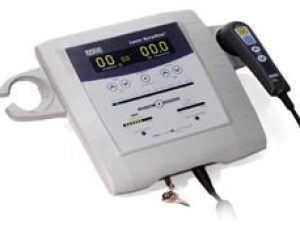
Light & Laser Therapy Equipment & Accessories
Therapeutic laser equipment for clinician directed programs, including the Laser SysStim 540 Therapeutic Laser.
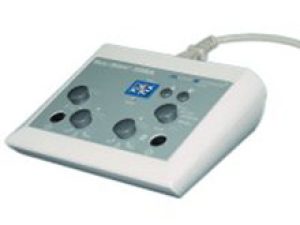
Neuromuscular Stimulators
Clinic NMES units including the SysStim 206, SysStim 208 and SysStim 208A Neuromuscular Stimulators.
TENS Units
Transcutaneous electrical nerve stimulation units for clinic and take home programs, including the Tens 210.

Therapeutic Ultrasound Applicators & Accessories
Sound heads, pencil style applicators and travel bags matched to Sonicator units by frequency.
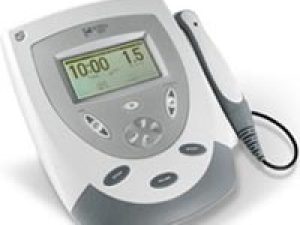
Therapeutic Ultrasound Machines
Ultrasound and combination therapy units including the Sonicator 740, Sonicator Plus 930 and Sonicator Plus 992.
Not Sure Which to Choose?
Our Therapeutic Devices Buying Guide walks through the decisions that actually determine the outcome: who is buying, what to compare, the mistakes that cause returns, and a pre-order checklist.
What Are Therapeutic Devices and How Are They Used in Clinical Settings?
Therapeutic devices are electrically powered units that deliver a physical agent, such as ultrasound energy, electrical current, shortwave energy or light, through an applicator or electrode a clinician places on the patient. They are one component of a rehabilitation plan of care, not a standalone program. A physical therapist (PT), occupational therapist (OT) or physician selects the modality, the settings and the treatment site, documents the session, and revisits the plan as the patient’s pain, swelling and range of motion (ROM) change between visits.
In practice the equipment sits in a treatment bay or on a mobile cart and moves between rooms as the schedule demands. A therapeutic ultrasound machine such as the Sonicator 740 Therapeutic Ultrasound is paired with an applicator sized for the region being worked, whether that is a knee, shoulder, ankle, wrist, elbow or a stretch of the back. A neuromuscular stimulator such as the SysStim 208 Neuromuscular Stimulator connects through lead wires to surface electrodes the clinician positions over a target muscle group. Combination units such as the Sonicator Plus 930 Combination Therapy Unit and Sonicator Plus 992 Combination Ultrasound Therapy carry ultrasound and stimulation channels in one chassis, so a single cart serves more of the caseload.
Whether any of this equipment suits a given patient, and at what settings, is the treating clinician’s decision. MSEC supplies the equipment and the consumables that keep it in service. We do not advise on treatment parameters, and nothing on this page is clinical guidance.
What Types of Therapeutic Devices Are Available?
The line breaks into ultrasound equipment, electrical stimulation equipment, shortwave diathermy, light and laser therapy equipment, and the electrodes, cables and accessories those modalities consume.
- Therapeutic ultrasound machines. Console and portable units including the Sonicator 740 Therapeutic Ultrasound, Sonicator Plus 930 Combination Therapy Unit, Sonicator Plus 992 Combination Ultrasound Therapy and Therapeutic Ultrasound w/ 3 Applicators.
- Ultrasound applicators and accessories. Sound heads matched to the unit, including the 1MHz Sonicator Ultrasound Applicator, the 1MHz Sonicator 740 Ultrasound Applicator w/ Light, the 1.0 and 3.2MHz Sonicator 740 Ultrasound Applicator, the 3.3MHz Sonicator Pencil Style Ultrasound Applicator and the 10 cm2 Ultrasound Applicator, plus the Travel Bag for Sonicator 740 Unit.
- Neuromuscular stimulators. Clinic neuromuscular electrical stimulation (NMES) units including the SysStim 206 Neuromuscular Stimulator, SysStim 208 Neuromuscular Stimulator and SysStim 208A Neuromuscular Stimulator.
- TENS units. Transcutaneous electrical nerve stimulation (TENS) devices such as the Tens 210 Neuromuscular Stimulator, used in the clinic and issued for home programs on clinician instruction.
- Diathermy units and accessories. Shortwave diathermy equipment including the AutoTherm 391 Shortwave Diathermy w/ Cart and the AutoTherm 395 Shortwave Diathermy.
- Light and laser therapy equipment. Therapeutic laser equipment including the Laser SysStim 540 Therapeutic Laser.
- Electrodes, lead wires and electrotherapy accessories. Consumables and connecting hardware such as Sponge Electrodes 2in x 2in, the Bifurcation Cable Set and the Therapy System Transportable Carry Bag.
How Do the Therapeutic Device Subcategories Differ From Each Other?
They differ by the physical agent delivered and by whether the item is a treatment unit or a part that attaches to one. Knowing which of the two you are buying prevents most ordering errors in this line.
- Therapeutic Ultrasound Machines are the generators. They produce the output and hold the timer, frequency and duty cycle controls.
- Therapeutic Ultrasound Applicators & Accessories are the sound heads and carry items that attach to those generators. An applicator is tied to a specific unit and a specific frequency, so a 3.3MHz pencil style head, intended for contoured areas such as the hand, wrist or foot, is not interchangeable with a 1MHz head.
- Neuromuscular Stimulators are multi channel NMES units intended for a treatment bay with the clinician present and the patient positioned on a plinth.
- TENS Units are transcutaneous electrical nerve stimulation devices, typically smaller, battery powered and often issued to a patient for a home program on clinician instruction.
- Diathermy Units & Accessories deliver shortwave energy and take more floor space than a tabletop stimulator, which is why cart mounted configurations exist.
- Light & Laser Therapy Equipment & Accessories covers therapeutic laser equipment along with its handpieces and eyewear related items.
- Electrodes & Lead Wires and Electrotherapy Accessories are the recurring spend: the sponge electrodes, pads, cables and bags that wear out long before the generator does.
What Is the Difference Between an Ultrasound Machine and an Ultrasound Applicator?
The machine generates the output and the applicator is the sound head that carries it to the treatment site, and the two must be matched by manufacturer specification. Buying an applicator without confirming the host unit is the most common return we see in this category.
Applicators are identified by the unit they serve and by frequency or effective surface area, exactly as the listings name them:
| Applicator | Frequency or size in the name | Host unit named in the listing |
|---|---|---|
| 1MHz Sonicator Ultrasound Applicator | 1MHz | Sonicator |
| 1MHz Sonicator 740 Ultrasound Applicator w/ Light | 1MHz, with light | Sonicator 740 |
| 1.0 and 3.2MHz Sonicator 740 Ultrasound Applicator | 1.0 and 3.2MHz | Sonicator 740 |
| 3.3MHz Sonicator Pencil Style Ultrasound Applicator | 3.3MHz, pencil style head | Sonicator |
| 10 cm2 Ultrasound Applicator | 10 cm2 surface area | Listed by area, confirm host unit |
Before ordering a replacement head, record the model and serial number of the unit it will plug into, note the frequency the department wants, and check the connector type. If the unit predates the current catalog listing, send us the plate details and we will confirm what the manufacturer specifies for that serial range rather than guessing from the model name. Ask about availability and lead time in the same message, since sound heads are not always shelf stock.
What Do Neuromuscular Stimulators and TENS Units Have in Common?
Both deliver electrical current through surface electrodes placed on the skin, and both are operated inside a clinician’s plan of care, but they are specified differently. The clinical choice between them belongs to the treating clinician, not to the purchasing department.
From a procurement standpoint the practical differences are channel count, portability and who handles the device day to day. Clinic NMES units such as the SysStim 206 Neuromuscular Stimulator, SysStim 208 Neuromuscular Stimulator and SysStim 208A Neuromuscular Stimulator stay in the treatment area and are set up by staff between patients, so durability, cable strain relief and the ease of wiping the housing down all matter. A TENS unit such as the Tens 210 Neuromuscular Stimulator is compact and is frequently dispensed for home use as durable medical equipment (DME), which makes control clarity and the supply of replacement pads, straps and lead wires the bigger consideration.
Both groups depend on consumables. Electrodes and pads are positioned over the knee, shoulder, back, hip or any other region the plan of care covers, and they degrade with use. Keep a standing order for electrodes, lead wires and cable sets such as the Bifurcation Cable Set so a therapy schedule is never held up by a worn cable.
What Accessories and Consumables Should a Therapy Department Stock?
Stock the items that touch the patient and the items that flex, because those fail first. Everything else in a therapeutic device is largely fixed for the life of the unit.
- Electrodes and pads. Sponge Electrodes 2in x 2in and equivalent surface electrodes are consumed continuously in a busy electrotherapy schedule.
- Lead wires and cable sets. The Bifurcation Cable Set and similar leads take repeated flexing at the connector and should be treated as a wear part, not a permanent fitting.
- Applicators. Keep at least one spare sound head for the frequency your department uses most, so a damaged cable does not take a modality offline for a lead time you did not plan for.
- Transport and storage. The Therapy System Transportable Carry Bag and the Travel Bag for Sonicator 740 Unit protect portable units moved between sites, home visits and athletic training rooms.
- Coupling gel and cleaning supplies. Confirm which gels, wipes and disinfectants the manufacturer allows on housings, applicator faces, straps and cables before you standardize a cleaning protocol around them.
A short list of part numbers kept with the equipment log turns reordering into a two minute task.
What Construction and Material Standards Should Buyers Confirm?
Confirm every construction and electrical claim against the manufacturer specification sheet for the exact model and configuration you intend to buy, because these units are regulated medical equipment and their documentation is the controlling record. MSEC does not restate or interpret a manufacturer’s regulatory status, and no listing on this site should be read as a statement about any clearance, approval or registration.
The questions worth putting to the supplier before a purchase order goes out are practical ones:
- Housing and finish. Is the enclosure compatible with the disinfectants your infection control policy already specifies?
- Cable and connector construction. Are leads and applicator cables field replaceable, and are the connectors a current part or a legacy design?
- Cart and mounting. Does the configuration on your quote include the cart, as with the AutoTherm 391 Shortwave Diathermy w/ Cart, or is the cart a separate line?
- Electrical supply. What voltage, frequency and receptacle does the unit require, and what is stated on the manufacturer’s rating plate?
- Warranty terms. What does the manufacturer’s warranty cover, for how long, and are applicators and cables covered on the same terms as the generator? Get it in writing on the quote.
- Documentation. Does the shipment include the operator manual, service manual and any calibration or verification record the manufacturer supplies?
How Should Medical Equipment Buyers Evaluate Therapeutic Devices?
Evaluate on caseload fit, total cost across the service life and how easily the unit is kept in service, rather than on the headline price of the generator. A therapeutic device is a long lived asset with a recurring consumable bill attached to it.
- Match the unit to the schedule. If a clinician regularly runs ultrasound and stimulation in the same visit, a combination unit such as the Sonicator Plus 930 Combination Therapy Unit or Sonicator Plus 992 Combination Ultrasound Therapy removes a cart change from the workflow.
- Count the applicators you actually need. A configuration such as Therapeutic Ultrasound w/ 3 Applicators may cost less than buying heads separately later.
- Price the consumables. Estimate annual electrode, pad and lead wire usage from visit volume before you compare two units.
- Check parts availability. Ask whether applicators, cables and control components are still stocked for that model, and what the typical lead time is.
- Consider mobility. Multi room clinics and mobile therapy programs are better served by cart mounted or bag transportable units.
- Plan for training. Confirm the operator manual and any manufacturer training resources reach your therapists at handover.
What Should a Facility Confirm Before Ordering Therapeutic Devices?
Confirm power, space, delivery access, cleaning compatibility, parts support and the commercial terms on the quote before the purchase order is issued, because each is cheaper to solve on paper than on the loading dock.
- Electrical supply. Verify the receptacle type and circuit in the treatment bay against the manufacturer’s stated requirement, and confirm whether your facility adds the unit to an electrical safety inspection program.
- Space and clearance. Measure the treatment bay, including room for the cart to move around a plinth with a clinician working from both sides.
- Floor loading and surfaces. Cart mounted diathermy equipment is heavier and less forgiving on thresholds, ramps and elevator sills than a tabletop unit.
- Delivery and freight access. Establish whether the shipment is parcel or freight, whether a liftgate is needed, and who will receive and inspect it. Larger cart mounted equipment ships freight and needs a route from the dock to the room.
- Availability and lead time. Ask what is in stock and what is built to order before you commit to an opening date or a room refit.
- Cleaning protocol compatibility. Check that your standard disinfectant is permitted on the housing, the applicator face, the cables and any sponge or upholstered component.
- Serviceable parts and warranty terms. Ask which components are user replaceable, which need a technician, what the manufacturer’s service interval is, and what the warranty covers.
- Receiving and asset tagging. Decide in advance who records the serial number into your equipment register, since it starts every future parts order.
Which Settings Use Therapeutic Devices Most?
Outpatient physical therapy clinics and hospital rehab departments are the largest users, followed by skilled nursing facilities, occupational therapy and physiotherapy practices, athletic training rooms and chiropractic offices. Each setting shapes the specification differently.
- Outpatient clinics. High visit volume and tight rooms favor compact units, combination units and a healthy stock of electrodes and lead wires.
- Hospital rehab departments. Equipment moves between bays and sometimes to the bedside, so cart mounted configurations and durable cabling matter, as does alignment with facility electrical safety and infection control programs.
- Skilled nursing facilities. Units travel to residents rather than the reverse, which raises the value of transport bags and rugged housings.
- Athletic training rooms. Portability and quick setup between athletes drive the choice, and the Travel Bag for Sonicator 740 Unit earns its place on road trips.
- Home recovery. Patients sometimes purchase a take home unit such as the Tens 210 Neuromuscular Stimulator on the instruction of their treating clinician. Use and settings remain that clinician’s decision.
How Are Therapeutic Devices Serviced Over Their Working Life?
They are serviced through a mix of routine user care, scheduled manufacturer service and replacement of wear parts, and logging all three gets a longer working life out of the asset.
Day to day care is simple: wipe the housing and applicator face with a disinfectant the manufacturer permits between patients, inspect cables for cracking or exposed conductor, coil leads loosely, and store portable units in their bags. Sponge electrodes and similar consumables are replaced on a schedule, not when they fail mid session.
Beyond that, follow the manufacturer’s stated service and verification intervals for the model. Keep the operator and service manuals with the unit, record the serial number in your equipment register, and note the date of every service visit and parts change. When a unit does need attention, having the model, serial number and a clear description of the fault ready lets us identify the correct part and quote it quickly. Call 877-706-4480 toll free or 713-706-4480 local, or email inquiry@msecompany.net with the details.
Frequently Asked Questions
Do you sell replacement applicators for ultrasound units you did not supply?
Yes. Send us the manufacturer, model and serial number of the unit and the frequency the department needs, and we will identify what the manufacturer specifies for that serial range. Applicators such as the 1MHz Sonicator Ultrasound Applicator and the 3.3MHz Sonicator Pencil Style Ultrasound Applicator are matched to a host unit, so we confirm compatibility and current availability before quoting rather than after.
What is the difference between a clinic stimulator and a TENS unit when I am ordering?
Clinic neuromuscular electrical stimulation (NMES) units such as the SysStim 206, SysStim 208 and SysStim 208A Neuromuscular Stimulators are specified for a treatment bay and staff setup, while a transcutaneous electrical nerve stimulation (TENS) unit such as the Tens 210 Neuromuscular Stimulator is compact and often issued for a home program. Which one suits a patient is the treating clinician’s decision. We can quote either, with matching electrodes, pads and leads.
Does a diathermy unit ship with a cart?
It depends on the configuration ordered. The AutoTherm 391 Shortwave Diathermy w/ Cart is listed as a cart configuration, while the AutoTherm 395 Shortwave Diathermy is listed separately. Confirm on the quote which items are included before the order is placed, and tell us the route from your dock to the treatment room so we can advise on delivery.
How do these units ship, and do I need a loading dock?
Small units and accessories usually move as parcel shipments, while cart mounted equipment and larger consoles ship freight and may require a liftgate or inside delivery. Tell us the delivery address, dock situation, door widths and elevator access when you request a quote and we will price the freight to match, confirm lead time, and name a receiving contact for the carrier.
Can I standardize my clinic's disinfectant across all therapeutic devices?
Only if the manufacturer of each unit permits that disinfectant on the housing, applicator face, cables, straps and any sponge or upholstered component. Cleaning agents that are fine on one finish can damage another. Before you write the protocol, check the operator manual for each model, and ask us for the manufacturer’s cleaning guidance on anything you are unsure about.
What consumables should I reorder on a standing schedule?
Electrodes, pads, lead wires and cable sets. Items such as Sponge Electrodes 2in x 2in and the Bifurcation Cable Set are wear parts consumed by normal use, and running out stops a treatment schedule. Estimate annual usage from your visit volume, then set a standing order with a reorder point rather than buying reactively when a lead fails mid session.
I need a therapeutic device that is not listed on the site. Can you source it?
Yes. Our catalog shows a portion of what we can supply, and we source additional therapeutic equipment, applicators, electrodes and parts through our manufacturer and distribution relationships. Send the manufacturer, model number, any part numbers from the unit plate, and the quantity you need. Call 877-706-4480 toll free, 713-706-4480 local, or email inquiry@msecompany.net.
Can MSEC advise which modality or settings my patient needs?
No. Selecting a modality, choosing settings and deciding whether a device suits a particular patient are the treating clinician’s responsibilities, and nothing in our catalog is clinical guidance. What we can do is match equipment to your caseload, room, power supply and budget, confirm compatibility between units and accessories, and keep your consumables stocked.
Related Rehabilitation Categories
Move up to the full rehabilitation silo, or across to the lines clinics order alongside this one.
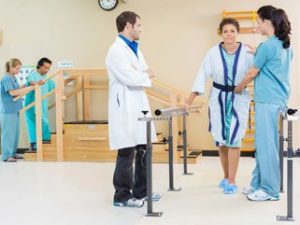
Rehabilitation Equipment & Products
The full rehabilitation silo: every line MSEC carries for therapy and recovery.
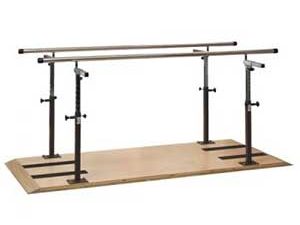
Physical Therapy Equipment
Parallel bars, rehab work tables and training stairs for gait and function work.
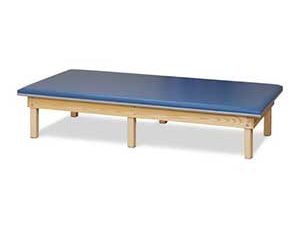
Fitness & Rehab Merchandise
Balance boards, pulleys, dynamometers, mat tables and stretching equipment.
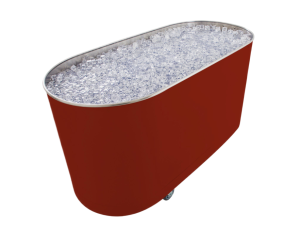
Hot & Cold Therapy Equipment
Heating and chilling units that hold packs and water at treatment temperature.
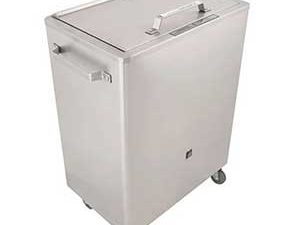
Hot & Cold Therapy & Supplies
Packs, covers and wraps: the consumable side of thermal therapy.
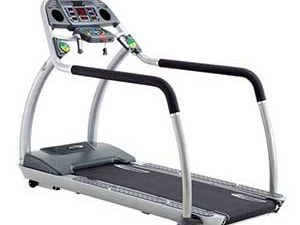
Cardio Equipment
Treadmills, bicycles, ellipticals and stair climbers built for rehab gyms.
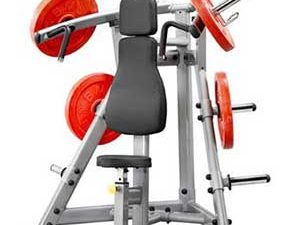
Weight Lifting Equipment
Weight machines and racks for progressive resistance in small increments.
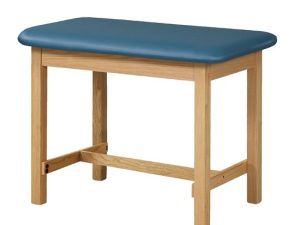
Taping & Chiropractic Tables
Chiropractic and treatment tables in fixed and adjustable heights.
GSA contract holder • Ships nationwide • From Patient to Doctor & Everyone In Between
Talk to a Medical Equipment Specialist
Tell us the facility, the room and the caseload and we will put the right list together. Toll free 877-706-4480 | Local 713-706-4480 | inquiry@msecompany.net