

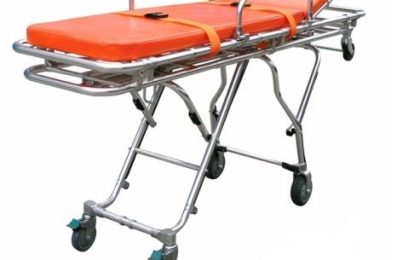
Medical Exam Tables: How to Choose the Right Table for Your Practice

Medical exam tables are the working center of every exam room, supporting patient positioning, clinician access and procedure workflow across primary care, specialty clinics, therapy practices and hospital outpatient departments. The right table affects patient comfort, staff ergonomics and even how quickly rooms turn over between appointments. This guide walks through the table types, construction standards, positioning features and specification questions buyers should weigh when selecting medical tables and ENT chairs for a facility.
What Is a Medical Exam Table and Where Is It Used?
A medical exam table is a purpose-built platform that positions a patient for examination, minor procedures or treatment. Unlike household furniture, exam tables are engineered for repeated cleaning with hospital-grade disinfectants, rated for clinical weight capacities and shaped for clinician access from three sides. You will find them in physician offices, urgent care centers, occupational health clinics, school and corporate health suites, physical therapy practices and outpatient hospital departments.
Exam tables sit within a larger family of clinical furniture that includes treatment tables, taping stations, ENT chairs and procedure chairs. The distinction matters when specifying a room: an exam table typically includes a paper roll holder, an adjustable backrest and often storage, while a flat treatment table prioritizes an open working surface for hands-on therapy.
What Types of Medical Exam Tables Are Available?
Most facilities choose among a handful of core designs, and many practices mix types by room:
- Box-style exam tables with a cabinet base, drawers and a pull-out step. The classic clinic workhorse, they keep gowns, drapes and supplies at the point of care. Cabinet-base designs are also available as cabinet-style treatment tables for therapy and sports medicine rooms.
- Treatment tables with shelves, which trade closed drawers for open storage that staff can reach quickly. Browse the range of treatment tables with shelves to compare widths and backrest options.
- Pediatric exam tables, scaled and themed for children, often with printed laminates that put young patients at ease. See the dedicated pediatric exam tables line for kid-friendly exam rooms.
- Bariatric exam tables, built with reinforced frames and wider tops for safe care of larger patients. The bariatric exam room tables category covers steel-frame designs rated for higher weight capacities.
- Power and hi-lo tables, which raise and lower electrically for accessible transfers and clinician ergonomics.
How Do Manual and Power Exam Tables Compare?
Manual box tables cost less, have fewer serviceable parts and last for years in low-acuity rooms. Their fixed height, however, requires patients to climb a step, which is a real barrier for elderly, post-surgical and mobility-limited patients.
Power tables lower toward wheelchair height for a seated transfer, then raise the patient to a comfortable working height for the clinician. Facilities subject to accessibility requirements increasingly specify at least one height-adjustable table per suite so that patients with disabilities can be examined as fully as ambulatory patients. When budgeting, weigh the purchase price difference against staff back strain, transfer assistance time and the population your practice actually serves.
What Construction and Material Standards Should Buyers Look For?
An exam table lives a hard life: hundreds of patient contacts per month, constant disinfection and point loads on the backrest and step. Evaluate these construction details before buying:
- Frame and base. All-steel or reinforced hardwood construction resists racking. Check the stated patient weight capacity against your patient population rather than assuming a default.
- Upholstery. Seamless or heat-sealed vinyl tops stand up to hospital disinfectants; stitched seams collect fluid and fail sooner. Thicker foam matters for longer procedures.
- Laminate and finish. High-pressure laminate cabinets shrug off cleaning chemicals that destroy consumer-grade finishes.
- Paper roll and pillow provisions. Small conveniences that determine daily workflow.
- Serviceability. Replaceable tops and available parts extend service life well past the warranty period.
Which Positioning Features Matter in the Exam Room?
Positioning range determines what a room can do. An adjustable backrest supports seated exams, ENT work and patient comfort during longer visits. Stirrups and leg extensions equip a room for gynecological exams. Drop sections and adjustable head sections support specialty positioning. Trendelenburg capability appears on procedure-oriented tables. If a room must serve several specialties, list the required positions first and select the table that reaches all of them, because retrofitting positioning hardware is rarely practical.
How Much Storage Should an Exam Table Provide?
Storage at the table cuts steps out of every visit. Box tables with two to four drawers keep gloves, drapes, instruments and paper within reach, which matters most in practices without a supply alcove near each room. Open-shelf designs speed access but expose contents, so many clinics pair an open-shelf table with closed wall cabinets. Practices with central supply carts sometimes skip table storage entirely and buy flat treatment tables, spending the savings on more rooms. Match the table’s storage to how your staff actually stocks rooms rather than buying drawers by default.
Which Specialty Tables Do Therapy and Sports Medicine Practices Need?
Physical therapy, athletic training and sports medicine settings lean on table types that general clinics rarely stock. Flat treatment tables give therapists an open surface for manual work and exercise progressions. Taping tables and multi-station taping setups let athletic trainers prepare several athletes at once, and single athletic taping tables serve smaller training rooms. Changing-height mat tables support transfers and floor-to-stand training. If your facility runs both clinical exams and rehabilitation, plan the two table populations separately: the exam side is specified around positioning and storage, while the therapy side is specified around working height, surface area and durability under daily bodyweight loading.
Specialty clinical settings add their own variants. OB/GYN practices need stirrup-equipped tables. ENT suites often choose a chair rather than a table. Podiatry and wound care clinics favor power chairs that articulate into a table position. Naming the procedures a room must support is the fastest way to shortlist the right table family.
What Accessories Complete an Exam Table Purchase?
A table rarely ships alone. Order crepe or smooth exam table paper in the width your table takes, and confirm the roll holder position. Add a step stool with a handrail where fixed-height tables serve older patients. Pillows, positioning bolsters and paper pillowcases round out patient comfort. Rooms doing procedures benefit from a mayo stand and a mobile exam light within reach of the table. Budgeting these accessories with the table avoids a second freight charge and gets the room patient-ready on day one.
How Should Buyers Size an Exam Table to the Room?
A standard exam room needs clearance on three sides of the table for clinician access, plus swing room for the step and drawers. Measure the room before specifying width and length, and remember that bariatric tables run wider and power tables need an outlet within cord reach. In compact rooms, a table with end-accessible drawers can preserve side clearance. For therapy and athletic settings, narrower taping tables and stations pack more treatment positions into the same footprint.
How Should Medical Equipment Buyers Evaluate Suppliers?
Beyond the table itself, evaluate lead times, freight handling for a several-hundred-pound crated item, warranty terms and parts availability. Confirm that quoted models match the manufacturer’s current specifications, and ask about GSA contract purchasing if you buy for a government facility. MSEC has supplied medical equipment nationwide since 2003, holds GSA contract V797P-2194D and stocks exam and treatment tables alongside the full range of hospital and durable medical equipment. Our team can match a table to your specialty, room dimensions and budget when you ask the pros at 877-706-4480 (toll free) or 713-706-4480 (Houston local).
What Do Exam Tables Cost and When Should You Replace One?
Pricing varies widely with construction, positioning features and power adjustment, so request current quotes rather than relying on published list prices. As a rule of thumb, replace a table when the upholstery can no longer be disinfected to standard, when the frame or step shows structural wear, or when the room’s clinical use has outgrown the table’s positioning range. Many practices stagger replacements room by room, upgrading the highest-traffic rooms to power tables first.
Frequently Asked Questions
What is the difference between an exam table and a treatment table?
An exam table is built for medical examination, usually with an adjustable backrest, a paper roll holder and often drawer storage. A treatment table provides a flat, open surface for hands-on therapy, taping and rehabilitation work. Many practices use both, matched to the room’s purpose.
How much weight can a medical exam table hold?
Capacity varies by model and construction, so always check the manufacturer’s stated rating. Standard box tables carry typical adult patient loads, while bariatric exam tables use reinforced steel frames and wider tops engineered for significantly higher capacities.
Do exam rooms need height-adjustable tables for accessibility?
Accessibility standards for medical diagnostic equipment favor tables that lower for seated transfers from a wheelchair. Many facilities equip at least one room per suite with a power hi-lo table so patients with mobility limitations can transfer safely and be examined fully.
What upholstery is best for a medical exam table?
Seamless or heat-sealed medical-grade vinyl stands up to hospital disinfectants and prevents fluid from penetrating seams. Choose a top thickness suited to your visit length, and confirm the covering is rated for the cleaning chemicals your facility uses.
Should a pediatric practice buy themed exam tables?
Themed pediatric exam tables with printed laminates help reduce anxiety in young patients and make exam rooms feel less clinical. They are built to the same cleaning and durability standards as standard tables, so the choice is about patient experience rather than performance.
How long does a medical exam table last?
With sound construction and replaceable upholstery, exam tables commonly serve for many years. Replace a table when the surface can no longer be disinfected to standard, the frame or step shows structural wear, or the room’s clinical needs outgrow its positioning range.
Related Pages
- Medical Tables & ENT Chairs: The full MSEC selection of exam, treatment and specialty tables.
- Best Seller Tables: The treatment and exam tables facilities order most.
- Pediatric Exam Tables: Kid-friendly and themed tables for pediatric exam rooms.
- Bariatric Exam Room Tables: Reinforced tables engineered for higher weight capacities.
- Hospital & Durable Medical Equipment: The complete MSEC hospital equipment catalog.
- Medical Office Cabinets Guide: Seven cabinet types for supplies, controlled substances and patient areas.
- Exam & Surgical Lights Guide: How to match exam and surgical lighting to every room.
No related posts.